- Attachment-focused
- Practical skills
- Grief support
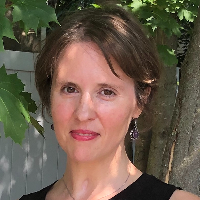
About Abigail
Her style is down-to-earth and relationship-focused. She pays close attention to early attachment patterns and how those first bonds shape self-worth and current relationships. Sessions are conversational and practical, with space to notice patterns that repeat in relationships and daily life.
Abigail uses a mix of methods tailored to each person. She draws from attachment-based ideas to look at relational roots, cognitive behavioral techniques to shift unhelpful thoughts, and dialectical skills for emotional regulation. She also incorporates acceptance and commitment strategies to clarify values and take meaningful action.
She has particular experience supporting people with borderline personality features, substance use concerns, traumatic brain injury, and complex grief. Abigail also brings body-awareness work into sessions on request, informed by her 500-hour yoga teacher background and guided meditations.
Clients can expect a collaborative approach that names patterns, practices new skills, and checks what works. Abigail works with adults in New York and offers sessions through the platform; please confirm current session options when you book.
Areas of expertise
Primary focus
Also works with
Additional focus areas
Therapeutic approaches
Experience
13+ years
Credentials
New York
Languages
English
How Abigail’s approaches translate to online work
Acceptance and Commitment Therapy, or ACT, helps people clarify what matters to them and take small steps toward those values even when feelings are difficult. It’s useful for anxiety, depression, grief, and navigating life changes. Attachment-Based Therapy looks at early relationship patterns and how they show up now; this approach helps when relationship issues and self-worth problems are central. Cognitive Behavioral Therapy, CBT, focuses on identifying unhelpful thoughts and testing new behaviors to reduce symptoms like anxiety and low mood.Choosing the right approach is part of the work. Abigail will talk with clients about their goals, try methods that fit, and adjust based on what feels helpful. That collaborative process aims to find practical tools a person can use between sessions.
Session formats are not listed in the biography, so please confirm current options before booking. Online therapy can make it easier to fit sessions into a busy week, shorten check-ins when needed, and allow for phone-only meetings when video is difficult. These practical benefits let people work on grief, trauma, emotional regulation, and relationship patterns while managing daily responsibilities.
Frequently asked questions
What concerns does Abigail help with?
She works with relationship strain, grief, trauma and abuse, anxiety, depression, addiction, self-esteem, and life changes among other issues.
What is her therapeutic style like?
Her style is relational and down-to-earth, focusing on early attachment patterns, emotion regulation, and practical skill building.
How much clinical experience does she have?
She brings 13 years of clinical experience supporting adults with complex emotional and behavioral concerns.
What are her credentials and where is she based?
She is a Licensed Clinical Social Worker, LCSW, licensed in New York and practices with that credential.
Which languages are offered for sessions?
Sessions are offered in English.
Does she work with international clients?
She does not accept international clients at this time.
How are sessions scheduled and what about formats?
Confirm current session options before booking; the profile asks you to check the session formats available and schedule according to therapist availability.
How are fees handled and how do subscriptions work?
Cost varies with location and therapist availability, and sessions use a subscription that can be canceled at any time.