
Dr. Julie McCune
LPCCOhio · 25 yrs exp
Compassionate counselor for life transitions
Stress, Anxiety · LGBT · Relationship · Self esteem · +16 more
Read profileTherapists in the US, UK and Australia
If you need help nowTherapist listings are provided by BetterHelp. We will earn a commission at no extra cost to you if you use our links to buy.
This page groups professionals who list Hospice and End-of-Life Counseling among their focus areas. Visitors can compare listed location, approaches, academic degrees, professional registration or licensing, and languages before opening a profile.
Browse the profiles to learn how individual clinicians describe their focus, experience and therapeutic style.
Ohio · 25 yrs exp
Compassionate counselor for life transitions
Stress, Anxiety · LGBT · Relationship · Self esteem · +16 more
Read profile
Florida · 14 yrs exp
Compassionate counselor for grief and life changes
Stress, Anxiety · Grief · Anger · Self esteem · +12 more
Read profile
Michigan · 25 yrs exp
Experienced counselor focused on life changes and grief
Stress, Anxiety · LGBT · Relationship · Grief · +10 more
Read profile
Mississippi · 16 yrs exp
Relationship-focused counselor with practical tools
Stress, Anxiety · Relationship · Family · Parenting · +6 more
Read profile
Louisiana · 7 yrs exp
Compassionate counselor for life transitions
Stress, Anxiety · Family · Trauma and abuse · Parenting · +15 more
Read profile
Florida · 25 yrs exp
Experienced LMHC focused on practical support
Stress, Anxiety · Family · Grief · Self esteem · +12 more
Read profile
Missouri · 16 yrs exp
Practical, person-centered support for life transitions
Stress, Anxiety · Trauma and abuse · Self esteem · Bipolar · +12 more
Read profile
New York · 11 yrs exp
Calm, steady support through life transitions
Stress, Anxiety · Grief · Self esteem · Relationship · +8 more
Read profile
Texas · 9 yrs exp
Compassionate counselor for life transitions
Stress, Anxiety · Trauma and abuse · Grief · Depression · +12 more
Read profile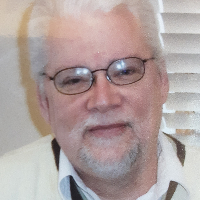
Michigan · 45 yrs exp
Experienced counselor for addiction and grief
Stress, Anxiety · Addictions · Trauma and abuse · Grief · +10 more
Read profile
Ohio · 33 yrs exp
Compassionate counselor for life transitions
Stress, Anxiety · Family · Trauma and abuse · Self esteem · +12 more
Read profile
Texas · 21 yrs exp
Compassionate support for life transitions
Stress, Anxiety · Relationship · Trauma and abuse · Intimacy-related issues · +15 more
Read profile
Louisiana · 10 yrs exp
Compassionate, practical support for major life changes
Stress, Anxiety · Grief · Anger · Depression · +8 more
Read profile
Missouri · 14 yrs exp
Compassionate counselor for life changes
Stress, Anxiety · Self esteem · Career · Depression · +13 more
Read profile
Illinois · 25 yrs exp
Experienced LCSW for life transitions
Stress, Anxiety · Self esteem · Career · Coping with life changes · +10 more
Read profile
Alabama · 15 yrs exp
Practical skills for emotional resilience
Stress, Anxiety · Addictions · Relationship · Family · +12 more
Read profile
Utah · 20 yrs exp
Practical, compassionate counseling for life changes
Stress, Anxiety · Relationship · Grief · Depression · +12 more
Read profile
Utah · 25 yrs exp
Values-focused clinical social worker
Stress, Anxiety · Family · Trauma and abuse · Anger · +15 more
Read profile
Texas · 33 yrs exp
Practical therapy with a coaching focus
Stress, Anxiety · Relationship · Family · Self esteem · +11 more
Read profile
Texas · 20 yrs exp
Compassionate, direct support for life transitions
Stress, Anxiety · Addictions · Family · Grief · +15 more
Read profile
North Carolina · 10 yrs exp
Somatic-informed counselor focused on meaningful change
Stress, Anxiety · LGBT · Relationship · Coping with life changes · +13 more
Read profile
Ohio · 23 yrs exp
Compassionate counseling for life transitions
Stress, Anxiety · Relationship · Grief · Coping with life changes · +11 more
Read profile
New Jersey · 35 yrs exp
Experienced LCSW for life transitions
Stress, Anxiety · Grief · Parenting · Self esteem · +13 more
Read profile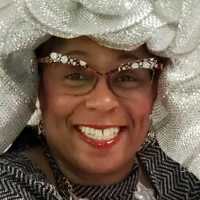
Michigan · 24 yrs exp
Compassionate guidance for steady progress
Stress, Anxiety · Addictions · Relationship · Family · +1 more
Read profileWhen a serious or terminal diagnosis appears on the horizon, emotional responses are often immediate and complex. You may feel fear, anger, relief, intense sadness or a mixture of these feelings at once. Anticipatory grief - the sense of loss that occurs before a death - can affect sleep, concentration and relationships. Caregivers commonly report exhaustion, role overload and guilt as they try to balance practical tasks with emotional presence.
Hospice and end-of-life counseling can provide a space to explore what matters most to you at this stage. Conversations often turn to meaning, legacy and ways to say what matters to loved ones. Some people want to focus on practical communication - how to express wishes or share memories - while others want support in holding unbearable feelings without reducing them. Family members and carers may need help managing strain, setting boundaries, and tending to their own grief as the end approaches.
Expect that work with a therapist will vary by individual and by the clinician's approach. Therapists who list Hospice and End-of-Life Counseling among their focus areas may offer supportive listening, help with finding words for difficult topics, and techniques to manage overwhelming emotions. They are not hospice, palliative, or medical providers and do not arrange medical care or services. It is important to understand the role of counseling as part of broader care around serious illness.
Counseling in the context of life-limiting illness typically attends to emotional, relational and existential concerns rather than medical decisions or symptom management. You can expect conversations about grief, meaning, regret, reconciliation and practical communication. Some people choose to focus on legacy work - documenting stories, preparing letters, or identifying what they want remembered. Caregivers often raise questions about role changes, complicated family dynamics, and ways to protect their own wellbeing while supporting someone else.
Therapists who list this specialty may also work with families navigating anticipatory grief, or help a person clarify priorities in the face of changing health. That said, they do not provide medical advice, arrange in-home or hospice care, or perform clinical procedures. If medical or palliative guidance is needed, these services should be sought from clinicians who deliver medical care. A counseling relationship is one element of broader support, and it is reasonable to use it for emotional and relational needs while other professionals handle symptom control and medical planning.
When reading profiles, note how each clinician describes the kinds of conversations they prioritize. Some emphasize values and meaning, others highlight communication and family support. That description can give a sense of whether a clinician’s way of working aligns with your immediate concerns.
As you review profiles, clear questions will help you gauge fit. Ask about a clinician’s experience with people facing terminal conditions and with family carers. Request examples of the kinds of issues they have supported - for example, managing anticipatory grief, navigating family conversations about care, or creating legacy projects. Inquire how they describe their therapeutic style - whether it tends toward reflective conversation, narrative exploration, meaning-centered work, or emotion-focused support - and whether they list particular approaches among their approaches.
Academic degrees and professional permission to practice are distinct. A profile may list a PhD, PsyD, MD, MA or MSW. Those are degrees earned in academic programs, and a degree alone does not establish current permission to practise. In the United States, clinicians commonly hold professional licenses such as LCSW, LMFT or LPC, which indicate a state-level authorization to practise. In the United Kingdom and Australia, practitioners may be registered with a regulatory body or belong to a professional association or membership organisation. Profiles may describe registration, membership or licensure; read those statements carefully and ask for clarification if the distinction matters to you.
Phrase questions directly and concretely. For example: What is your experience working with people at the end of life and their families? Which populations do you typically work with? What degrees do you hold and what professional registration or licensing do you maintain in your listed location? How do you involve family members or carers in sessions, and how do you handle situations when a medical or palliative question arises? Direct questions like these help clarify scope and boundaries without assuming any single profile guarantees a specific type of care.
If considering remote sessions, discuss practical and safety-related topics before beginning. Ask which communication methods the clinician uses and how sessions will be arranged in different time zones or across regions. Confirm whether the clinician is permitted to provide care in your jurisdiction, since professional registration and licensure can limit cross-border practice. Agree on how urgent concerns will be handled and what local resources or emergency contacts the clinician advises if immediate assistance is needed.
Talk about participants - whether sessions will include family members or carers, and how consent and boundaries will be managed when multiple people are involved. Clarify expectations about session length, typical topics, and how records or notes are handled, remembering that record-keeping practices vary by professional and region. If language, cultural or faith considerations are important to you, raise them early so that accommodations can be discussed or a clinician who lists relevant languages and cultural experience can be located.
These practical conversations reduce ambiguity and make it easier to assess whether a clinician’s approach and logistics fit your needs. They also help set boundaries for what counseling will address and what will be referred to medical, palliative or social care providers.
Profiles on this page are written by individual clinicians who list Hospice and End-of-Life Counseling among their focus areas. When comparing profiles, look beyond the headline and read how each clinician describes their day-to-day practice. Does a profile mention work with carers, family systems or bereavement? Which therapeutic approaches are listed among their approaches, and do those descriptions align with whether you want practical communication support, exploratory meaning-centered work, or help managing anxiety and physical-related stress?
Language matters. If you prefer to speak in a language other than the clinician’s primary one, check the languages listed on the profile and consider asking how language choice shapes the work. Look at the listed location to understand time zone expectations and whether the clinician notes experience working with people in different regions. Compare academic degrees as part of the background, but also look for statements about professional registration or licensure in the clinician’s listed location. Remember that a degree such as PhD, PsyD, MA or MSW is different from a licence or registration and does not by itself confirm permission to practise.
Finally, attend to tone. Some profiles are concise and clinical; others are narrative and personal. Which tone feels more inviting to you when confronting difficult topics? That subjective sense can matter a great deal in building rapport. Use the profiles to form specific questions to take into an initial conversation, focusing on what you need to have talked about soon - managing intense emotions, planning conversations with family, addressing caregiver strain, or documenting wishes and memories. Direct questions and clear comparisons will help you decide which profiles to explore in more depth.
Searching for a clinician who lists Hospice and End-of-Life Counseling is often an important step in planning how to live and relate during a serious illness. Thoughtful comparison of profiles, clear questions about approach and credentials, and honest conversations about logistics can help you and your family find a therapeutic match that supports the emotional and relational dimensions of this time. Remember that counseling is one part of a broader set of supports, and that clinicians on this page are not medical providers and do not arrange clinical care. Use profiles to guide practical outreach and to identify clinicians whose described style and experience align with what matters to you now.
Alabama
44 therapists
Alaska
4 therapists
Arizona
45 therapists
Arkansas
27 therapists
Australia
70 therapists
California
251 therapists
Colorado
76 therapists
Connecticut
22 therapists
Delaware
10 therapists
District of Columbia
10 therapists
Florida
356 therapists
Georgia
83 therapists
Hawaii
13 therapists
Idaho
20 therapists
Illinois
128 therapists
Indiana
54 therapists
Iowa
27 therapists
Kansas
24 therapists
Kentucky
37 therapists
Louisiana
52 therapists
Maine
12 therapists
Maryland
52 therapists
Massachusetts
54 therapists
Michigan
152 therapists
Minnesota
29 therapists
Mississippi
28 therapists
Missouri
95 therapists
Montana
27 therapists
Nebraska
17 therapists
Nevada
16 therapists
New Hampshire
13 therapists
New Jersey
66 therapists
New Mexico
19 therapists
New York
141 therapists
North Carolina
124 therapists
North Dakota
3 therapists
Ohio
89 therapists
Oklahoma
58 therapists
Oregon
32 therapists
Pennsylvania
97 therapists
Rhode Island
7 therapists
South Carolina
66 therapists
South Dakota
5 therapists
Tennessee
49 therapists
Texas
303 therapists
United Kingdom
675 therapists
Utah
29 therapists
Vermont
11 therapists
Virginia
57 therapists
Washington
44 therapists
West Virginia
11 therapists
Wisconsin
61 therapists
Wyoming
6 therapists
This directory is not a crisis line, a hospice or an emergency service. If someone is in danger, or a medical situation is getting worse, call the emergency number or the care team looking after them.