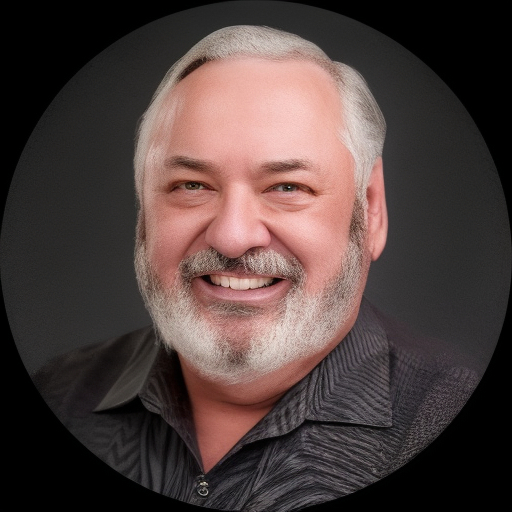
- LMHC
- Grief and end-of-life
- Skill-based work
About Albert
In sessions he uses clear questions and evidence-based tools to help people understand thoughts and behaviors that cause pain. He draws on Cognitive Behavioral Therapy and Dialectical Behavior Therapy to teach coping skills and emotion regulation. He also uses Client-Centered and Existential approaches when talking about meaning, purpose, and difficult life questions.
Albert often supports people dealing with trauma, abuse, addiction, and anger. He helps those coping with parenting challenges, intimacy-related issues, family problems, and major life transitions. Grief and end-of-life concerns are also part of his focus areas, including practical coping and emotional support.
He aims for straightforward conversations that connect values to daily steps. Sessions involve listening, reflective questions, and skill practice people can use between meetings. The goal is clearer thinking and steadier coping in everyday life.
Albert works in Washington and conducts therapy in English. To get started, readers are asked to use the site Start Therapy button, complete a short matching questionnaire, and schedule according to therapist availability.
Areas of expertise
Primary focus
Also works with
Additional focus areas
Therapeutic approaches
Experience
4+ years
Credentials
Washington
Languages
English
How therapeutic approaches guide online work
Client-Centered Therapy focuses on listening and responding to what matters most to the client. It helps people feel heard and shape goals that match their values. Cognitive Behavioral Therapy (CBT) looks at the links between thoughts, feelings, and actions and teaches practical skills for changing unhelpful patterns. It is often used for anxiety, depression, and stress. Dialectical Behavior Therapy (DBT) emphasizes emotion regulation, distress tolerance, and clear interpersonal skills to help people manage strong emotions and reduce impulsive behavior.Finding the right approach is part of the work. The therapist will talk with each person about their needs and try different methods to see what helps most. This is a collaborative process where goals and techniques are adjusted together based on what the client finds useful.
Session formats are not listed in the biography, so confirm current options before booking. Online therapy can make it easier to fit sessions into daily life, whether someone needs shorter check-ins during a break, prefers not to travel, or wants to practice skills between meetings. Licensed professionals can guide pacing and tools so sessions feel practical and relevant to day-to-day demands.
Frequently asked questions
What kinds of concerns does he address?
He helps people with stress, anxiety, depression, grief, addictions, trauma, relationship and intimacy-related issues, and other life changes.
What is his approach to therapy?
He combines Client-Centered listening with practical methods like Cognitive Behavioral Therapy and Dialectical Behavior Therapy to teach coping skills and emotional regulation.
What experience does he bring?
He has four years of clinical counseling experience and many years of pastoral teaching that inform his conversational and values-focused style.
What credentials and region are listed?
He is a Licensed Mental Health Counselor, listed as WA LMHC, and practices in Washington.
Which languages are supported?
Sessions are offered in English.
Can international clients work with him?
He does not accept international clients currently.
How does pricing work?
Cost varies with location and therapist availability; sessions use a subscription that can be canceled at any time.
How do I begin sessions?
Use the Start Therapy button on the site, complete the short matching questionnaire, and schedule according to therapist availability.