- Hospice and caregiving
- Addiction support
- Goal focused work
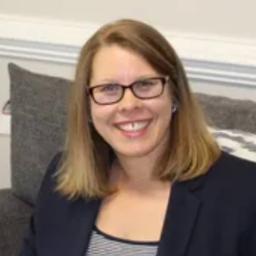
About Amy
Amy uses clear, goal-focused conversations to help people sort priorities and make manageable changes. She draws on client-centered methods to follow each person’s pace. Cognitive behavioral ideas are used when thoughts and behaviors are getting in the way of daily functioning. Motivational interviewing and solution-focused techniques help when someone is ready to change habits or wants short-term strategies.
Her training includes a Bachelor of Science from North Carolina State University and a Master of Arts in Counseling from North Carolina Central University. Amy completed a hospice practicum studying thanatology and an internship working with women affected by mental illness, addiction, and trauma. She also spent a decade providing solution-focused counseling to active duty service members and their families.
With 15 years of experience, Amy pays attention to the whole picture - mental, physical, spiritual, and financial wellness. She describes herself as an older single mom who understands how life’s demands can throw routines off balance. Her work centers on supporting practical steps people can take toward healthier days.
People who want clear tools and a collaborative, down-to-earth approach may find her style helpful. She works from North Carolina and communicates in English.
Areas of expertise
Primary focus
Also works with
Additional focus areas
Therapeutic approaches
Experience
15+ years
Credentials
North Carolina
Languages
English
How her approaches translate to online work
Amy uses client-centered therapy to keep conversations focused on what matters to each person. This approach means the therapist follows the client’s lead, listens closely, and tailors support to personal goals and values. It helps with grief, caregiving stress, and adjusting to life changes.She also uses cognitive behavioral therapy, which looks at how thoughts and behaviors interact. CBT offers practical steps and exercises to reduce anxiety, manage mood, and change unhelpful patterns. That method can be useful for someone wanting clear tools to handle daily challenges.
Finding the right approach is part of the work together. Amy will talk with clients about goals, preferences, and what has or hasn’t helped before deciding how to proceed. She frames this as a collaborative process and adjusts methods as needs evolve.
Practical benefits of online therapy include fitting sessions into a busy schedule and reducing travel time. Online work can make it easier to attend regular meetings, allow for shorter check-ins if needed, and reduce the need to arrange childcare or long commutes. Because specific session formats are not listed in this profile, confirm current options before booking to ensure they match your needs.
Frequently asked questions
What concerns does she address?
Amy helps with grief, addiction, stress, anxiety, depression, and related issues like caregiver strain, chronic illness, and life purpose.
What is her therapy style like?
Her approach is practical and collaborative, using client-centered conversations and techniques that focus on clear goals and short-term progress.
How long has she been practicing?
She has about 15 years of experience working in community mental health and private practice, including work with hospice and military populations.
What credentials does she hold and where is she based?
She is an LCMHC licensed in North Carolina and practices from that state.
Can I work with her if I live outside the US?
Sessions are offered in English and she accepts international clients.
What session formats are available?
Session formats are not specified here; please confirm current session options before booking.
How are fees handled?
Cost varies with location and therapist availability; sessions use a subscription that can be canceled at any time.
How do I begin working with her?
Select the Start Therapy button, complete the short matching questionnaire, and schedule according to therapist availability.