- Trauma informed approach
- Grief and end of life
- Support for caregivers
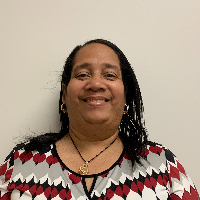
About Angela
She helps people dealing with anxiety, depression, stress, and life transitions. Relationship strain, parenting questions, grief, and compassion fatigue are also areas she addresses. She has worked with people who have faced physical trauma or emotional abuse and with those navigating addiction and ADHD concerns.
Her approach blends several methods so the work fits the person. Cognitive Behavioral Therapy is one tool she uses to spot unhelpful thoughts and try different behaviors. Attachment-based and emotionally focused ideas guide how she looks at relationship patterns and connection. Eye Movement Desensitization and Reprocessing is part of her trauma work when that is needed.
She also brings experience with people in education and first responder roles and understands the stresses those jobs can create. Angela has experience supporting older adults and those facing aging and caregiver issues, as well as people dealing with hospice and end-of-life concerns.
When someone starts with her, she tailors conversation and a plan to that person’s situation. She avoids labels and focuses on practical steps and skills. The goal is to help people find clearer thinking, calmer emotion, and better day-to-day coping.
Areas of expertise
Primary focus
Also works with
Additional focus areas
Therapeutic approaches
Experience
10+ years
Credentials
Missouri, Kansas, Illinois
Languages
English
Therapeutic approaches and online support
Angela uses Cognitive Behavioral Therapy to help people notice thought patterns that fuel distress and to practice new, more helpful behaviors. This approach is often useful for anxiety, depression, and stress-related problems. She also uses Attachment-Based Therapy to look at how relationships and early patterns affect current connections and emotional reactions, which can help with relationship strain and childhood-wound themes. When trauma is a focus, Eye Movement Desensitization and Reprocessing is used as one method to work through traumatic memories and lessen their immediate intensity.Finding the right approach is part of the work. Angela will work collaboratively to decide which methods match a person's goals and preferences. Conversations in early sessions help shape a plan that combines strategies, skills practice, and focused trauma work when needed.
The biography does not list specific online session formats, so confirm current options before booking. In general, online therapy can make it easier to fit sessions into a busy week, reduce travel time, and allow for shorter or more frequent check-ins when that helps progress. Licensed professionals can adapt cognitive and attachment-focused work to remote sessions, using structured exercises, guided discussion, and between-session practice to support change.
Frequently asked questions
What kinds of concerns does Angela address?
She works with stress, anxiety, depression, relationship problems, trauma and abuse, grief, and related issues such as compassion fatigue and caregiver stress.
How would you describe her therapy style?
Her style is warm and interactive. She focuses on respectful, sensitive conversation and practical steps rather than labels.
What relevant experience does she bring?
She has ten years of experience as a psychotherapist and consultant and has worked with people across young adulthood through geriatrics.
What credentials and location are listed?
She is a Licensed Clinical Social Worker with LCSW and LSCSW credentials and practices in Missouri.
Are sessions offered in other languages or internationally?
Sessions are offered in English, and international clients are accepted.
What session formats are used for meetings?
The original biography does not specify session formats; please confirm current session options before booking.
How is cost handled for sessions?
Cost varies with location and therapist availability, and sessions use a subscription that can be canceled at any time.
How do I begin working with her?
Select the Start Therapy button, complete a short matching questionnaire, and schedule according to therapist availability.