- Person-centred focus
- Practical tools
- Grief and hospice
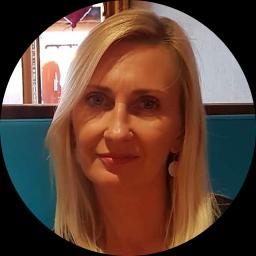
About Anneke
Her approach begins with listening and understanding each person's situation. From there she works collaboratively to set realistic goals and practical steps. Conversations are tailored to the individual and change as needs evolve.
Anneke uses techniques from cognitive behavioural therapy to help people spot unhelpful thinking and try different behaviours. She also brings mindfulness practices to ease distress and build calm. Motivational interviewing and solution-focused methods help when people want clarity, short-term goals or support to change habits.
She has worked with a broad range of issues including trauma and abuse, eating difficulties, compassion fatigue, sleep problems and long-term health concerns. Hospice and end-of-life counselling is part of her stated focus and she supports people navigating loss and complex emotions.
Sessions aim to be practical and grounded, with attention to what a person can use between meetings. People are encouraged to take small steps and reflect on what works. Anneke describes her role as companion and guide while clients make their own decisions.
If you want to explore whether her style fits your needs, she asks clients to begin with a short matching questionnaire and then arrange an initial session.
Areas of expertise
Primary focus
Also works with
Additional focus areas
Therapeutic approaches
Experience
13+ years
Credentials
BACP · United Kingdom
Languages
English
How her approaches translate to online work
Anneke mixes person-centred practice with cognitive behavioural therapy and mindfulness in straightforward ways. Person-centred work means the counsellor listens closely and follows what you bring to sessions rather than imposing a fixed plan. CBT helps by identifying unhelpful thoughts and trying small behavioural experiments to test different ways of coping. Mindfulness introduces simple exercises to calm the body and notice thoughts without getting swept away, which can help with anxiety and sleep.Finding the right mix is part of the work together. She treats choosing techniques as a collaborative process and will check in about what helps you most. Goals and methods can shift over time as priorities change and progress is reviewed.
The original listing does not state which session formats are used, so please confirm current options before booking. In general, online therapy can make it easier to fit sessions into a busy week, reduce travel time and allow shorter check-ins when needed. It can also let people use practices such as breathing or grounding exercises in the moment and then reflect on them with the counsellor at the next meeting.
Frequently asked questions
What concerns does she commonly help with?
She works with stress, anxiety, addiction, relationship difficulties, trauma, grief and a variety of related issues such as sleep problems, body image and caregiver stress.
What is her counselling style like?
Her work is person-centred with empathetic listening and collaborative planning. She combines this with CBT, mindfulness and solution-focused techniques when helpful.
How much experience does she have?
She has 13 years of professional experience supporting people through a wide range of concerns and life changes.
What credentials and location apply?
She is listed with the British Association for Counselling and Psychotherapy, shown as BACP, and works from the United Kingdom.
Which languages are supported?
Sessions are offered in English and international clients are accepted.
What session formats are available?
The original biography does not specify formats; please confirm current session options before booking so you know whether online or in-person meetings are offered.
How are sessions paid for?
Cost varies with location and therapist availability; sessions use a subscription that can be cancelled at any time.
How do I begin working with her?
Click the Start Therapy button, complete a short matching questionnaire, and then schedule according to the therapist's availability.