- Hospice and end-of-life counseling
- Grief and loss
- CBT and mindfulness
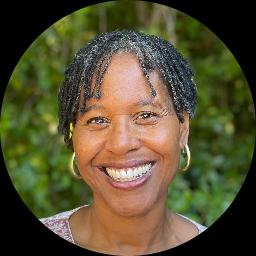
About April
April uses clear, down-to-earth language in sessions. She often works with cognitive behavioral techniques to help people notice and shift unhelpful thought patterns. She also draws on client-centered listening to make space for what matters most to the person in front of her.
Her background includes work in higher-intensity treatment settings where problem-solving and structure matter. April also completed training at an interfaith seminary, which informs a psycho-spiritual frame for people seeking meaning, grief support, or recovery from religious trauma. She says spirituality can be part of healing without following any single faith.
Sessions focus on practical steps and real-life changes. April helps people build coping strategies, improve communication, and reduce patterns that cause suffering. She looks for moments of clarity that lead to concrete shifts in daily life.
People who choose April can expect a calm, patient approach that balances skill-building with reflective conversation. Her work centers on helping each person find their own path forward while honoring the feelings that come with loss and change.
Areas of expertise
Primary focus
Also works with
Additional focus areas
Therapeutic approaches
Experience
25+ years
Credentials
California
Languages
English
Approaches that translate well to online work
Client-Centered Therapy puts the person's goals and feelings at the center. The therapist listens closely and follows what the client brings up, which helps build trust and make sessions useful for grief, life change, and identity concerns.Cognitive Behavioral Therapy (CBT) focuses on identifying thoughts and behaviors that keep problems going and testing small changes. CBT often helps with anxiety, depression, and coping with overwhelming situations by giving clear tools to try between appointments.
Finding the right approach is part of the work together. April will collaborate with each person to decide what methods make sense for their goals and values, adjusting as progress and needs change.
Confirm current session options before booking so you know which formats are available. Online sessions can make it easier to fit therapy into a busy life, reduce travel time, and allow check-ins between commitments. Some formats may be better for a quick follow-up, while others suit a longer reflective conversation, so discussing logistics during the matching process helps tailor care to everyday routines.
Frequently asked questions
What concerns does April commonly help with?
She supports people facing grief, hospice and end-of-life concerns, anxiety, depression, relationship struggles, addiction, and parenting stress, among other issues.
How would you describe her therapy style?
Her style is patient and practical, combining listening with concrete strategies. She focuses on skills that people can use between sessions.
What experience does she bring?
April has 25 years of clinical experience in California, including work in higher-intensity treatment settings and community practice.
What are her credentials and location?
She is a LCSW - Licensed Clinical Social Worker - practicing in California.
Which languages are supported for sessions?
Sessions are offered in English.
Can she work with international clients?
International clients are not currently accepted.
How are fees handled?
Cost varies with location and therapist availability; sessions use a subscription model that can be canceled at any time.
How do I begin working with her?
Click the Start Therapy button, complete a short matching questionnaire, and schedule according to therapist availability.