- Grief and loss support
- Stress and anxiety care
- Practical coping skills
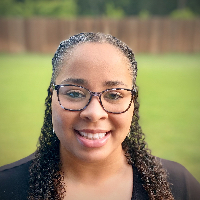
About April
Her approach is warm and interactive. She centers conversations on each person's needs and preferences. Sessions are tailored to what the client wants to work on, whether that is managing anxiety, coping with grief, or handling parenting strain.
April uses a mix of methods to help people build skills and find direction. She draws on cognitive behavioral therapy to identify unhelpful thoughts, acceptance and commitment therapy to clarify values and action, and mindfulness to support calm and awareness. Motivational interviewing is used when people want help making behavior changes like quitting smoking or improving routines.
She has 12 years of counseling experience and 15 years working in social work roles. That background includes supporting people with chronic and terminal illness, caregiver stress, postpartum depression, and cancer-related concerns. April aims for practical, doable strategies rather than long lists of tasks.
She encourages people to take the first step when they feel ready. Conversations begin with where the client is now and what small changes would help most. April offers steady support while people work toward clearer goals.
Areas of expertise
Also works with
Additional focus areas
Therapeutic approaches
Experience
12+ years
Credentials
Texas
Languages
English
How therapeutic approaches fit into online care
Acceptance and Commitment Therapy (ACT) helps people notice painful thoughts without getting stuck and focus on small actions that match their values. It can be useful for grief, chronic illness adjustment, and finding steady goals. Cognitive Behavioral Therapy (CBT) looks at how thoughts affect feelings and behavior and teaches hands-on skills for anxiety and low mood. Client-Centered Therapy focuses on listening and helping people find their own answers through supportive, nonjudgmental conversations.Finding the right mix of approaches is part of the process. The therapist works collaboratively to choose methods that fit the client's goals, personality, and what they want to change. That means adjusting tone, tools, and pacing as the work goes along so the plan stays useful.
Confirm session formats before scheduling, as specific online options are not listed here. Online work can make it easier to fit therapy into a busy life, allow shorter check-ins when needed, and reduce travel time. It also lets people continue care while managing caregiver duties, medical appointments, or work breaks. Licensed professionals can adapt exercises and homework to work well over distance while focusing on practical steps and emotional support.
Frequently asked questions
What concerns does this therapist help with?
She helps people who are dealing with stress, anxiety, grief, depression, and major life changes. Additional focus areas include cancer, caregiver stress, postpartum depression, and smoking/vaping cessation.
What is her therapeutic style like?
Her style is warm, interactive, and client-centered. She emphasizes respectful, compassionate conversations and practical steps that fit each person's life.
What background does she bring to sessions?
She has 12 years of counseling experience and 15 years working in social work roles. That experience includes supporting people facing chronic and terminal illness and grief.
What credentials and location are listed?
She holds the LCSW credential and practices in Texas as a licensed clinical social worker.
Which languages are offered for sessions?
Sessions are offered in English.
Does she work with international clients?
International clients are not currently accepted.
How are fees and billing handled?
Cost varies with location and therapist availability; sessions use a subscription that can be canceled at any time. Exact pricing depends on the matching process and should be reviewed before booking.
How do I begin working with her?
Choose the Start Therapy button, complete a short matching questionnaire, and then schedule based on therapist availability.