- Skills focused
- Compassionate listener
- Community mental health
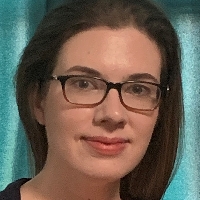
About Ashley
Ashley uses clear, skills-based methods such as Cognitive Behavioral Therapy and Dialectical Behavior Therapy to help people shift unhelpful thoughts and learn new coping strategies. She also draws on mindfulness practices and motivational interviewing to support momentum and self-awareness. The Gottman Method informs her work with communication and relational patterns.
Sessions are grounded in straightforward social work values. Ashley aims to listen carefully, create a calm space for people to tell their story, and work toward solutions that fit each person's goals. She focuses on what can change now, and on building tools that carry into everyday life.
Her background in community mental health means she has worked with a wide range of concerns and life situations. People come to her for help with parenting stress, caregiver strain, chronic health challenges, and navigating big life transitions. She is based in West Virginia and offers services in English.
Ashley believes progress often comes from consistent, small steps. She helps people notice what’s working, practice new skills, and make adjustments that support better mood, clearer relationships, and increased resilience.
Areas of expertise
Primary focus
Also works with
Additional focus areas
Therapeutic approaches
Experience
7+ years
Credentials
West Virginia, Virginia
Languages
English
How therapeutic approaches translate to online care
CBT, or Cognitive Behavioral Therapy, focuses on spotting unhelpful thoughts and testing them against real life. It helps with anxiety, depression, and patterns that keep people stuck. DBT, or Dialectical Behavior Therapy, teaches practical skills for emotion regulation, distress tolerance, and clearer communication. It is useful for intense emotions and relationship strain. Mindfulness Therapy helps people slow down and notice thoughts and feelings without getting swept up in them, which supports better stress management.Finding the right approach is a collaborative process. The therapist will talk with each person about their goals and preferences, and then suggest techniques to try. Sessions often mix methods so the plan fits the person's needs rather than sticking to a single label.
Confirm current session options before booking to learn which formats are offered. Online sessions can make it easier to fit therapy into busy schedules, reduce travel time, and allow for shorter check-ins when needed. They also let people continue care during life transitions or when leaving home is difficult. Talk with the therapist during the intake to decide which approach and session rhythm will work best for everyday life.
Frequently asked questions
What concerns does Ashley help with?
Ashley supports people with stress, anxiety, depression, grief, relationship and family issues, trauma and abuse, addictions, and related concerns such as parenting strain, caregiver stress, body image, and chronic illness.
What is her therapeutic style like?
Her style is practical and direct, focusing on small changes that improve daily life. She uses skills training, reflective conversation, and problem-solving tailored to each person's goals.
How much experience does she have?
Ashley has seven years of experience working in community mental health settings with people from varied backgrounds and life stages.
What credentials and region does she practice in?
Ashley holds LICSW and LCSW credentials and practices in West Virginia.
Which languages are supported?
Sessions are offered in English.
Can international clients work with her?
She does not accept international clients at this time.
How are sessions paid for?
Cost varies with location and therapist availability; sessions use a subscription that can be canceled at any time.
How do I get started?
Click the Start Therapy button, complete a short matching questionnaire, and schedule according to the therapist's availability.