- Compassionate listening
- Practical coping skills
- Strength-based care
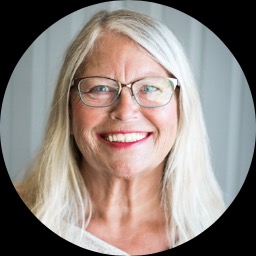
About Barbara
Barbara takes a whole-person view that looks at how body, mind, and spirit interact. Sessions are collaborative and strength-based, so the work focuses on the client’s resources and goals. She uses clear, action-oriented methods and often includes experiential techniques to make change feel real.
Clients can expect a sensitive and compassionate atmosphere. Conversations emphasize listening and validation while also identifying small, manageable steps forward. The aim is to restore confidence and build skills for coping with difficult emotions and situations.
Her background includes a long record of helping people regain direction after crisis or loss, and she brings that steady perspective to issues like caregiver stress, codependency, body image, and family-of-origin concerns. She also works with problems such as hoarding, eating-related issues, and the emotional fallout of disasters.
Barbara uses a mix of approaches including Client-Centered Therapy, cognitive behavioral techniques, dialectical behavior strategies, emotionally focused methods, and mindfulness practices. Together with each client she shapes a plan that fits their life and goals.
Areas of expertise
Additional focus areas
Therapeutic approaches
Experience
22+ years
Credentials
Wisconsin
Languages
English
Approaches that translate to online work
Client-Centered Therapy focuses on listening, acceptance, and helping people find their own answers. It is useful when someone needs a steady, empathetic space to sort through feelings and choices. Cognitive Behavioral Therapy, or CBT, looks at thought and behavior patterns and teaches practical skills to change them. It can help with anxiety, depression, and stress by giving concrete tools to try between sessions. Dialectical Behavior Therapy, DBT, offers skills for emotion regulation and distress tolerance and is helpful for high-intensity emotions and relationship struggles.Finding the right approach is part of the work together. The therapist will talk with each person about their goals and preferences, then suggest methods to try. Decisions are collaborative so techniques are adjusted over time based on what helps most.
Session formats are not listed in the biography, so please confirm current online options before booking. Many people find online therapy helpful because it can fit into a busy life, cut travel time, and make short check-ins easier to schedule. Online work also makes it simpler to practice skills in real-life settings and bring everyday experiences directly into the conversation.
Frequently asked questions
What concerns does Barbara help with?
She supports people facing stress, anxiety, trauma and abuse, self-esteem problems, depression, and coping with life changes. Additional focus areas include caregiver stress, codependency, body image, eating issues, and hoarding.
What is her therapy style like?
Therapy is collaborative and strength-based. Sessions mix listening and validation with practical steps and experiential work tailored to each person.
How much clinical experience does she have?
Barbara has 22 years of experience working with people on a range of emotional and life challenges.
What credentials and region are listed?
She holds the credential LPC, which stands for Licensed Professional Counselor, and practices in Wisconsin.
Which languages are offered and can international clients join?
Sessions are offered in English. International clients are not currently accepted.
What session formats are available?
Session formats are not specified in the biography; please confirm current session options before booking.
How are costs handled?
Cost varies with location and therapist availability. Sessions use a subscription that can be canceled at any time.
How do I begin working with her?
Select the Start Therapy button, complete a short matching questionnaire, and schedule according to the therapist's availability.