- Grief and loss
- Relationship support
- Caregiver stress
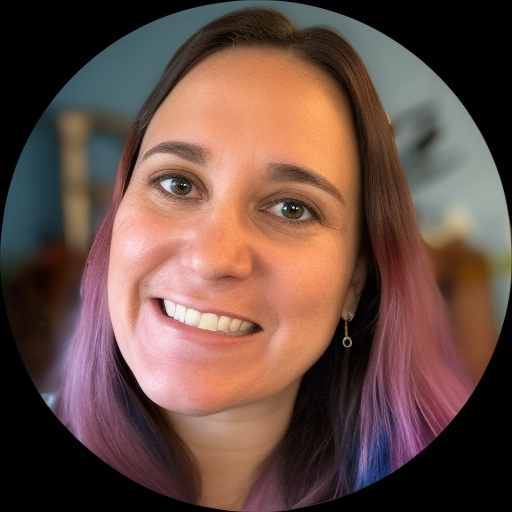
About Bethany
Her style is practical and person-focused. Sessions tend to center on the concerns you bring and on clear steps you can take between meetings. She uses techniques drawn from client-centered work and cognitive behavioral ideas to help people notice patterns, try small changes, and build more helpful habits.
Bethany also draws on psychodynamic and solution-focused approaches when those methods fit a person's goals. That can mean looking at long-standing relationship patterns, or setting short-term goals to tackle a current problem. Motivational interviewing may be used to help people strengthen their own reasons for change.
With two decades of social work experience, Bethany has supported people through trauma, adoption and foster care concerns, blended family issues, and hospice and end-of-life counseling. She emphasizes sensitivity around difficult topics like grief, guilt, and forgiveness, and she aims to honor each person’s pace.
Her work is collaborative: she and the person in therapy build a plan together. Bethany explains options in straightforward language and focuses on what will make everyday life feel more manageable. If you want a calm, practical partner while you navigate a hard season, she may be a good fit.
Areas of expertise
Primary focus
Also works with
Additional focus areas
Therapeutic approaches
Experience
20+ years
Credentials
North Carolina
Languages
English
How Bethany Uses Talk Therapy Online
Client-Centered Therapy focuses on listening and reflecting so people feel understood and can explore what matters most to them. It helps when someone needs a supportive space to sort through grief, relationship strain, or life changes. Cognitive Behavioral Therapy, or CBT, teaches practical skills to shift unhelpful thoughts and behaviors and is useful for anxiety, depression, and stress management.Finding the right approach is part of the work. Bethany will talk with each person about goals and preferences and recommend techniques that fit those aims. She involves the person in planning so therapy reflects individual needs and practical priorities.
Confirm current session options before booking so you know how sessions are delivered. Online sessions can make it easier to fit therapy into a busy week, cut down on travel time, or allow for shorter check-ins when that suits a schedule. They also let people continue care through transitions such as aging, caregiving demands, or relocation. If you want to explore remote sessions, discuss format and scheduling when you set up your first appointment.
Frequently asked questions
What kinds of concerns does she address?
She supports people dealing with grief, relationship problems, trauma, parenting stress, anxiety, depression, and compassion fatigue among other issues.
What is her therapeutic style like?
Her approach is person-focused and practical, combining client-centered listening with concrete tools from cognitive behavioral and solution-focused work.
How much experience does she have?
She has 20 years of clinical social work experience working with a range of concerns including grief and caregiving stress.
Where is she licensed and based?
She practices as an LCSW licensed in North Carolina and provides services from that state.
Which languages are offered for sessions?
Sessions are offered in English.
What session formats are available?
Confirm current session options before booking so you know which formats are offered for meetings with her.
How are fees handled?
Cost varies with location and therapist scheduling; sessions use a subscription that can be canceled at any time.
How do I begin working with her?
Use the Start Therapy button, complete a short matching questionnaire, and then schedule based on the therapist's availability.