- Grief and loss support
- Client-centered care
- CBT strategies
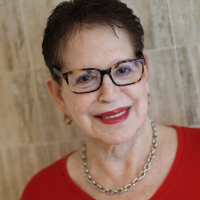
About Betty
Betty values the relationship between client and therapist. She uses Client-Centered Therapy to create a space of acceptance and listening. She also draws on Cognitive Behavioral Therapy, which looks at thoughts and behaviors that get in the way of feeling better.
Sessions begin with clear goals and a plan that fits each person's needs. She often helps people identify small changes that reduce anxiety, sleep problems, or anger, and she practices skills in session that can be used at home. For grief and end-of-life concerns she focuses on coping strategies, meaning-making, and supporting day-to-day functioning.
Her work includes support for caregivers, people managing chronic pain or illness, and those dealing with changes in relationships such as divorce or infidelity. She also helps with self-esteem, career decisions, ADHD, and intimacy concerns. Betty listens, reflects, and offers practical tools to help people regain strength.
Originally trained with a Master of Education in Community Counseling from the University of Miami, Florida, she brings years of clinical practice to each visit. She encourages open conversation and collaborative problem solving to help people move forward.
Areas of expertise
Primary focus
Also works with
Additional focus areas
Therapeutic approaches
Experience
18+ years
Credentials
Florida
Languages
English
How Client-Centered and CBT Work Online
Client-Centered Therapy focuses on listening and acceptance. The therapist follows the person's lead, mirrors concerns, and helps them feel heard so they can decide what changes to make. Cognitive Behavioral Therapy (CBT) looks at how thoughts and behaviors influence feelings and teaches concrete skills to manage anxiety, sleep issues, and mood changes.Finding the right mix of approaches is a collaborative process. The therapist will talk with clients about goals and preferences, then try methods that fit those needs. Those decisions are revisited as progress is made so therapy stays useful and relevant.
Specific session formats are not listed in the biography, so confirm the options before booking. In general, online work can make it easier to fit sessions into a busy week, reduce travel time, and allow for shorter check-ins when needed. It can also let people use quieter surroundings, avoid camera use, or choose a time that works around caregiving or work. Licensed professionals will help adapt exercises and homework for an online setting so the work stays practical and doable.
Frequently asked questions
What concerns does Betty focus on?
She helps people with anxiety, depression, grief, stress, relationship and intimacy issues, trauma, and caregiving strain. The list also includes sleep problems, anger, self-esteem, ADHD, and hospice and end-of-life counseling.
What is her therapeutic style like?
Her style is warm and collaborative. She centers the client-therapist relationship and uses listening, reflection, and practical steps to address problems.
How much clinical experience does she have?
She has 18 years of experience working in mental health settings and with people facing loss, trauma, mood symptoms, and relationship struggles.
What credentials and location are listed?
She holds the credential LMHC, specifically a Florida LMHC, and practices in Florida.
Which languages are supported for sessions?
Sessions are offered in English.
What session formats are available?
Session formats are not specified in the biography. Please confirm the currently offered formats before scheduling.
How are fees handled?
Cost varies with location and therapist availability; sessions use a subscription that can be canceled at any time.
How do I begin working with her?
Select the Start Therapy button, complete a short matching questionnaire, and schedule according to the therapist's availability.