- Hospice and end-of-life
- Grief and loss
- Stress and anxiety
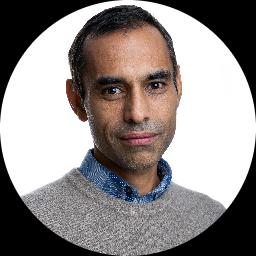
About Bhuwaneshor
Bhu brings eight years of post-graduate counselling and case-management experience in complex community mental health settings. He currently works as a senior mental health practitioner in a non-profit, seeing people with a wide range of difficulties and levels of distress.
His style is person-centred and strength-based. Sessions focus on what the person already has that can help them move forward. He values humanistic and recovery-focused work and aims to hold a steady, patient space while clients explore change.
Bhu uses a blend of evidence-informed techniques rather than a single method. He draws on Cognitive Behavioural Therapy, Acceptance and Commitment Therapy, Dialectical Behaviour Therapy and existential ideas alongside mindfulness practices. He also brings cultural and philosophical perspectives when useful.
In practical terms sessions aim to build skills, increase motivation and help people notice and use their strengths. He emphasises clear, simple tools and goals so people leave with new ways to cope and more confidence about the future.
Areas of expertise
Primary focus
Additional focus areas
Therapeutic approaches
Experience
8+ years
Credentials
AASW · Australia
Languages
English, Hindi, Nepali
Approaches that guide online work
Acceptance and Commitment Therapy (ACT) helps people notice difficult thoughts and feelings without getting stuck in them and then take actions that match their values. It is often used for anxiety, depression and coping with illness. Cognitive Behavioural Therapy (CBT) focuses on identifying unhelpful thinking and behaviour patterns and practising small changes that reduce distress and improve function. It is practical for anxiety, low mood and stress management.Finding the right approach is part of the work. The therapist will collaborate with the client to choose methods that fit their needs, goals and preferences. That process may involve trying techniques from different approaches and adapting them based on how the client responds.
Confirm the exact session formats available before booking, as the biography does not list specific online options. Online work can make it easier to fit sessions into a busy week, reduce travel time and allow shorter check-ins when needed. It also lets conversations continue when health problems or mobility issues make attending in person harder. The therapist uses the chosen approaches to help people practise skills and reflect between sessions so therapy can be integrated into everyday life.
Frequently asked questions
What issues does he help with?
He works with stress, anxiety, grief, anger and depression, and helps people coping with major life changes and health challenges including hospice and end-of-life concerns.
What is his therapeutic style?
His approach is person-centred and strength-based, with a focus on practical skills and recovery. He aims to create a calm space where people can notice strengths and try new coping strategies.
What professional background does he have?
He has eight years of post-graduate counselling and case-management experience in complex community mental health settings and works as a senior mental health practitioner in a non-profit.
What credentials and location are listed?
He holds AASW and practices in Australia.
Which languages are supported in sessions?
Sessions are offered in English, Hindi and Nepali.
Can international clients work with him?
International clients are not currently accepted.
How does pricing and payment work?
Cost varies with location and therapist availability; sessions use a subscription that can be cancelled at any time.
How do I start a therapy process?
Select the Start Therapy button, complete a short matching questionnaire, and schedule according to therapist availability.