- Strengths-based approach
- Skill-focused tools
- 10 years experience
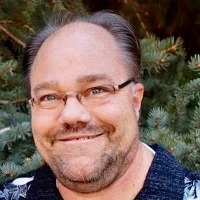
About Brandon
Brandon starts by listening to what matters most to each person. He uses clear, practical tools such as cognitive reframing, deep breathing, and mindfulness to reduce distress. Sessions are collaborative and paced to what the individual finds useful in daily life.
His background includes a Master of Arts in Clinical Mental Health Counseling from the University of Phoenix and a prior ten-year career in law enforcement. That combination shapes an approach that values directness, steady support, and attention to safety and coping skills.
In session Brandon draws mainly from Cognitive Behavioral Therapy and Dialectical Behavior Therapy. He also integrates client-centered methods, existential ideas, and hypnotherapy techniques when they match a person's goals. Meditation and brief somatic tools are offered when helpful.
People seeking help with relationship or intimacy concerns, parenting stress, career change, or issues like attachment and codependency will find practical strategies and coaching-oriented discussion. He encourages people to name small goals and build skills they can use between appointments.
Areas of expertise
Primary focus
Also works with
Additional focus areas
Therapeutic approaches
Experience
10+ years
Credentials
Utah
Languages
English
How Brandon’s Approaches Work Online
Client-Centered Therapy focuses on listening and following the person's pace; it helps when someone needs a steady, accepting space to sort out feelings and choices. Cognitive Behavioral Therapy, or CBT, looks at thoughts and behaviors together and teaches specific exercises to reduce anxiety, depression, and unhelpful patterns. Dialectical Behavior Therapy, DBT, teaches emotional regulation, distress tolerance, and better communication skills useful for intense emotions or relationship strain.Finding the right approach is part of the process. Brandon will work with each person to decide which methods fit their goals and preferences. That decision is made together and can change as needs evolve.
If you are interested in online options, please confirm current session formats before booking, as formats are not specified here. Online work can make it easier to fit therapy into a busy schedule, allow shorter check-ins when time is limited, and remove travel time so people can use a break between tasks. Licensed professionals can adapt CBT and DBT exercises to remote sessions so tools are practical and usable between appointments.
Frequently asked questions
What concerns does Brandon commonly address?
He works with stress, anxiety, depression, grief, addictions, trauma and related issues such as ADHD, compassion fatigue, relationship and intimacy concerns.
What is his therapeutic style like?
Brandon takes a practical, collaborative style that emphasizes skills and short-term tools like breathing, mindfulness, and cognitive reframing.
What kind of professional background does he have?
He holds a Master of Arts in Clinical Mental Health Counseling and spent ten years in law enforcement before moving into counseling work.
What credential and region should I know about?
He is an LCMHC, licensed in Utah, and practices from that state.
Which languages are sessions offered in?
Sessions are offered in English.
Can international clients work with him?
He does not accept international clients at this time.
How does payment and cost work?
Costs vary with location and therapist arrangements; sessions use a subscription that can be canceled at any time.
How do I begin the process?
Use the Start Therapy button, fill out a short matching questionnaire, and schedule according to the therapist's availability.