- Grief and loss
- Caregiver stress
- Relationship help
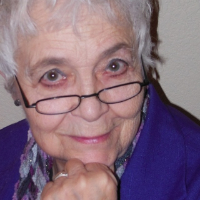
About Carol
She keeps sessions practical and focused. People can expect clear goals and tools to cope with overwhelming feelings. Dr. Carrell draws on a range of methods and adapts them to each person’s needs rather than using one fixed model.
Her background includes long-term clinical work, teaching, and supervising other clinicians. That experience informs how she structures sessions and how she supports people through crisis, chronic health problems, and caregiving strain. She has worked with clients across the life span and with diverse life challenges.
When working with couples she centers communication and problem-solving, especially where medical or caregiving stress affects the relationship. For people grieving or facing end-of-life concerns she focuses on what matters most and on practical ways to reduce emotional burden.
Sessions are collaborative and paced to what each person can handle. Dr. Carrell encourages people to notice strengths and small changes that add up. She frames therapy as a place to plan next steps and practice new ways of coping.
Areas of expertise
Primary focus
Also works with
Additional focus areas
Therapeutic approaches
Experience
30+ years
Credentials
California, Arizona
Languages
English
How therapy approaches shape online care
Client-Centered Therapy focuses on listening and understanding a person's experience. The therapist follows the person's lead, reflects feelings, and helps them name what matters most. This approach is helpful for grief, caregiver strain, and decisions around serious illness.Cognitive Behavioral Therapy, or CBT, looks at the links between thoughts, feelings, and behavior. It uses clear tools and homework to change patterns that keep someone stuck, which can help with anxiety, depression, and sleep problems.
Dialectical Behavior Therapy, or DBT, teaches skills for managing intense emotions and improving relationships. It can be useful when stress, anger, or emotional overwhelm gets in the way of daily life.
Finding the right approach is part of therapy. The therapist will discuss goals, preferences, and what feels most useful. Together they will try methods and adjust them based on what works for the individual.
Practical benefits of online therapy include fitting sessions into a busy day and keeping continuity when travel or caregiving makes in-person visits hard. Because the biography does not list specific session formats, confirm which formats are offered before booking. Online work can make it easier to have shorter check-ins, reduce travel time, and schedule sessions around medical appointments or caregiving tasks.
Frequently asked questions
What kinds of concerns does this therapist help with?
She supports people coping with grief, anxiety, depression, relationship strain, caregiver fatigue, addictions, trauma, and end-of-life issues linked to illness.
How would you describe her therapeutic style?
Her style is practical and collaborative. She sets clear goals, teaches coping tools, and adapts methods to each person rather than using a single approach.
What is her clinical background?
She has practiced for 30 years and has experience as a clinician, professor, and clinical supervisor, which informs her work with complex medical and family issues.
What credentials and region are listed?
She is a LMFT licensed in California and Arizona and is based in California.
Which languages are supported and can international clients work together?
Sessions are offered in English. International clients are not currently accepted.
What session formats are offered?
The original biography does not specify session formats; please confirm current session options with the service before booking.
How does cost and billing work?
Cost varies with location and therapist availability; sessions use a subscription that can be canceled at any time.
How do I begin working with this therapist?
Select the Start Therapy button, complete the short matching questionnaire, and schedule according to the therapist's availability.