- Anxiety and grief
- Caregiver stress
- Goal focused
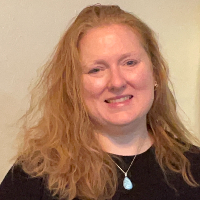
About Catherine
Her background includes work in outdoor therapeutic programs for teens, in-home counseling, and medical social work in a hospital system. That mix gives her experience with mental health needs tied to physical illness, chronic pain, and end-of-life situations. She has supported people facing mood disorders, substance concerns, trauma, and parenting challenges.
Catherine favors practical, strength-based work. She often draws from client-centered methods to follow a person’s lead, from cognitive behavioral ideas to shift unhelpful thinking, and from solution-focused techniques to set clear, short-term goals. Trauma-focused methods are used when past events are affecting daily life.
In a typical session she listens first, asks about what matters most, and then helps set small, achievable steps. Sessions may include skills for managing panic, ways to handle communication problems, or strategies to cope with grief and caregiver stress.
She aims to help people not only handle current struggles but also move toward things they want in life. Catherine works in English and provides support for concerns such as ADHD, compassion fatigue, blended family issues, and forgiveness work.
Areas of expertise
Primary focus
Also works with
Additional focus areas
Therapeutic approaches
Experience
4+ years
Credentials
Florida
Languages
English
How therapeutic approaches guide online work
Client-centered work starts by following the person’s concerns and priorities. The therapist listens closely, reflects what she hears, and helps the client set the agenda for sessions. This approach is useful for people who want a supportive space to name what matters most.Cognitive Behavioral Therapy, or CBT, focuses on the links between thoughts, feelings, and behaviors. It teaches practical techniques to reduce panic, manage mood, and change habits that cause distress. CBT is often helpful for anxiety, depression, and panic symptoms.
Trauma-focused therapy addresses how past events affect current life. It includes methods to reduce reactivity and improve daily functioning after traumatic experiences. This can be useful for people dealing with abuse, complex grief, or persistent stress reactions.
Finding the right approach is part of the work. The therapist will collaborate with each person to choose methods that match their needs, goals, and comfort level. Together they adjust techniques as progress is made and priorities change.
Session formats are not specified in the biography, so please confirm current session options before booking. Online therapy can make it easier to fit counseling into a busy life, reduce travel time, and allow shorter check-ins when schedules are tight. It also lets people connect with a licensed professional from wherever they are in Florida or within supported regions, while keeping focus on practical coping and meaningful goals.
Frequently asked questions
What kinds of concerns does she help with?
Catherine works with a wide range of concerns including anxiety, depression, grief, trauma and abuse, parenting challenges, addictions, bipolar disorder, and caregiver stress.
What is her therapeutic style like?
She uses a strengths-based, practical approach. Sessions often focus on listening, setting short-term goals, and teaching skills people can use between appointments.
What experience does she bring to sessions?
Her background includes outdoor therapeutic work with teens, in-home counseling, and medical social work in a hospital system, which informs care for chronic illness and end-of-life concerns.
What credentials and location apply?
She is a Licensed Clinical Social Worker, FL LCSW, practicing in Florida.
Which languages are supported?
Sessions are offered in English.
Can people from other countries work with her?
She does not accept international clients at this time.
How are fees and billing handled?
Cost varies with location and therapist availability; sessions use a subscription that can be canceled at any time.
How do I begin working with her?
Start by selecting the Start Therapy button, complete a short matching questionnaire, and schedule according to therapist availability.