- Empathy first
- Skill focused
- Faith-informed
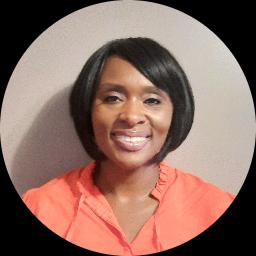
About Catherine
Her style is warm and engaging. She emphasizes respect, empathy, and positive regard rather than judgment. Faith is personally important to her and informs her hopeful attitude toward change.
Catherine mixes practical methods to meet each person's needs. She uses client-centered conversation to understand what matters most. She also draws on cognitive-behavioral and dialectical approaches to teach skills for mood and behavior change.
Sessions are tailored to the individual. Discussions and plans focus on realistic steps toward better daily functioning. She will work with clients to set goals and try strategies that fit their life and values.
Catherine is comfortable addressing trauma, addictions, intimacy concerns, parenting stress, caregiver strain, grief, and career or self-esteem issues. She invites people to take the first step and will support them through the process of starting therapy.
Her overall aim is to help people move forward toward a higher quality of life while honoring their background, beliefs, and personal goals.
Areas of expertise
Primary focus
Also works with
Additional focus areas
Therapeutic approaches
Experience
16+ years
Credentials
Michigan
Languages
English
How therapeutic approaches guide online care
Client-Centered Therapy focuses on listening and understanding a person's goals and values. It helps people feel heard and guides the therapist to tailor conversations and goals to each person. Cognitive Behavioral Therapy, or CBT, looks at the links between thoughts, feelings, and actions and teaches practical strategies to shift patterns that cause distress. It is useful for anxiety, depression, and everyday stress. Dialectical Behavior Therapy, or DBT, emphasizes emotion regulation and stronger coping skills during intense moments and can help with mood swings, self-control, and relationship strain.Finding the right approach is a team effort. The therapist will work collaboratively with each person to choose methods that match their needs, goals, and preferences. This might mean trying a skill-building CBT exercise one week and a client-centered check-in the next to see what helps more.
Confirm the available session formats before booking because the biography does not list them. Online therapy can make it easier to fit sessions into a busy schedule, avoid travel time, and check in from a quieter space. Some formats also let people choose shorter check-ins when needed or avoid being on camera if that helps them focus. Licensed professionals can adapt exercises and homework to work well in remote sessions, helping clients practice new skills between appointments.
Frequently asked questions
What concerns does she address?
Catherine helps with stress, anxiety, depression, grief, addictions, trauma, relationship and intimacy issues, parenting and caregiver stress, and challenges related to aging.
How would you describe her therapy style?
Her style is warm and engaging, emphasizing respect and positive regard while avoiding judgment. Sessions focus on practical steps and skill-building alongside empathetic listening.
What background does she bring to sessions?
She has 16 years of experience as a mental health provider and frames work around faith, empathy, and optimism for change.
What credential does she hold and where is she located?
She holds an LMSW, which stands for Licensed Master Social Worker, and she practices in Michigan.
Can sessions be conducted in other languages or internationally?
Sessions are offered in English. She does not accept international clients at this time.
What session formats are offered?
Please confirm current session options before booking since the biography does not specify formats.
How are fees handled?
Cost varies with location and therapist arrangements; sessions use a subscription that can be canceled at any time.
How do I begin working with her?
Use the Start Therapy button, complete a short matching questionnaire, and schedule sessions according to therapist availability.