- Grief and loss
- Trauma-informed care
- Strengths-based approach
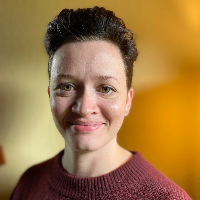
About Catherine
She draws on Cognitive Behavioral Therapy to identify unhelpful thinking and change patterns that keep problems going. Eye Movement Desensitization and Reprocessing is part of her work for trauma symptoms and difficult memories. She also uses mindfulness techniques and solution-focused strategies to build small, useful steps toward recovery.
Catherine trained at the University of Oklahoma and holds a Master of Social Work. She has worked in hospital and medical settings, where she supported patients and families navigating health crises and complex life events. That experience shaped how she responds to grief and uncertainty in practical ways.
Her approach treats each person as the expert on their life. Sessions focus on identifying strengths, clarifying goals, and practicing concrete skills between meetings. Conversations are direct and compassionate, with attention to both immediate needs and long-term coping.
People who come to Catherine typically leave with clearer plans for next steps. She emphasizes tools that fit into daily life and helps people try new ways of handling stress, relationships, and work challenges.
Areas of expertise
Primary focus
Also works with
Additional focus areas
Therapeutic approaches
Experience
4+ years
Credentials
Oklahoma, Oregon, North Dakota, Maine, Washington
Languages
English
Online approaches that meet you where you are
Cognitive Behavioral Therapy helps you identify unhelpful thoughts and test new behaviors. It teaches practical skills to reduce anxiety, manage mood, and change patterns that keep problems going.EMDR focuses on processing distressing memories and the feelings linked to them. It can be useful for people coping with trauma symptoms or intense emotional responses tied to past events.
Finding the right approach is part of the work. The therapist will collaborate with each person to choose methods that match goals, symptoms, and preferences. That choice can be adjusted over time as needs change.
Online therapy can make it easier to fit regular meetings into a busy life. Confirm which session formats are offered before booking, since current options are not specified here. Many people appreciate that virtual sessions can reduce travel, allow a shorter check-in when time is limited, or make it simpler to schedule around work and caregiving duties. Licensed professionals can use online work to deliver the same kinds of tools and step-by-step plans used in person, so clients can practice skills between sessions and track progress over time.
Frequently asked questions
What concerns does Catherine address?
She works with stress, anxiety, depression, grief, trauma and related issues such as compassion fatigue, addictions, parenting strain, and career or self-esteem worries.
How would she describe her therapy style?
The style is practical and collaborative, focusing on strengths, clear goals, and skills you can use between sessions.
What kinds of experience does she bring?
She has four years of experience as a licensed clinical social worker and has worked in hospital and medical settings supporting patients and families through difficult life events.
What are her credentials and where is she based?
She is an LCSW and practices in Oklahoma.
Which languages are sessions offered in?
Sessions are offered in English.
Can international clients work with her?
She does not accept international clients at this time.
How are costs and billing handled?
Cost varies with location and therapist availability; sessions use a subscription that can be canceled at any time.
What should I do to begin working together?
Click the Start Therapy button, complete the short matching questionnaire, and schedule sessions according to the therapist's availability.