- Person-centered care
- Addiction recovery support
- End-of-life counseling
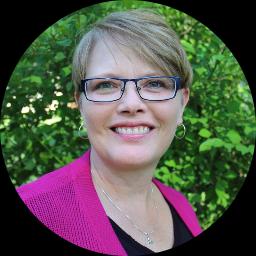
About Darla
She centers conversations on what matters most to each person. Sessions look at everyday problems and the feelings they bring. She helps people name strengths, work through guilt or shame, and build practical ways to handle anxiety, depression, and substance use concerns.
Darla values collaboration and plain talk. She listens first, then offers tools from approaches like cognitive behavioral therapy and mindfulness when they fit the person’s goals. Motivational interviewing is used to support change where readiness and ambivalence come up.
Her background includes long-term recovery experience, which she draws on when clients bring addiction or relapse worries. She also brings experience supporting LGBT people and women with life transitions and identity questions. Her Missouri practice reflects 22 years of direct clinical work.
People who contact her can expect straightforward goal-setting and practical steps between sessions. The focus is on manageable progress rather than quick fixes. She invites people to bring whatever they are struggling with and to work together on clear next steps.
Areas of expertise
Primary focus
Also works with
Additional focus areas
Therapeutic approaches
Experience
22+ years
Credentials
Missouri, Kansas
Languages
English
Therapeutic approaches and online care
Client-centered therapy focuses on listening and treating each person as the expert on their life. The therapist follows the client’s lead, reflects concerns, and supports decisions people make about their goals and values.Cognitive behavioral therapy (CBT) looks at how thoughts, feelings, and actions connect. It uses simple exercises and experiments to change patterns that feed anxiety, depression, or unhelpful behaviors. Mindfulness therapy helps people notice feelings and bodily reactions without getting swept away, which can reduce reactivity and improve coping with grief or stress.
Finding the right approach is a joint process. The therapist will talk with the client about goals and try methods that match those goals. This collaboration means approaches can be adjusted over time to focus on recovery, end-of-life concerns, grief, or daily stressors.
Confirm current session options before booking, as formats are not specified here. Online work can make it easier to fit therapy into a busy life, reduce travel time, and allow shorter check-ins when schedules are tight. It also lets people continue regular sessions during caregiving demands or while navigating medical appointments, with the therapist helping plan practical steps that fit each week.
Frequently asked questions
What concerns does she address?
She helps with stress, anxiety, depression, addictions, grief, relationship and family issues, and caregiver strain among other concerns.
What is her therapeutic style like?
The approach is collaborative and person-centered, with straightforward talk and practical strategies drawn from cognitive behavioral therapy, mindfulness, and motivational interviewing.
How much experience does she have?
She has 22 years of clinical experience working with people on addiction recovery, women’s mental health, LGBT issues, and life transitions.
What credentials and location are listed?
She holds KS LSCSW and MO LCSW credentials and practices in Missouri.
In which languages can sessions be held?
Sessions are offered in English.
Does she work with international clients?
International clients are not currently accepted.
How does cost and billing work?
Cost varies with location and therapist availability; sessions use a subscription that can be canceled at any time.
How do I begin a therapy match?
Click the Start Therapy button, complete a short matching questionnaire, and schedule according to therapist availability.