- Focus on grief and loss
- Practical coping skills
- Collaborative goal setting
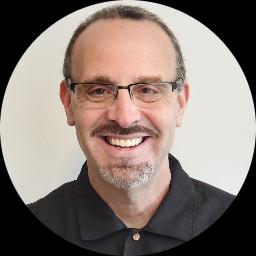
About David
He describes his style as collaborative and straightforward. He listens first, then helps people set clear, practical goals. Sessions focus on skills you can use between appointments and on looking honestly at thoughts and behaviors that get in the way.
Dr. Goodman draws from Cognitive Behavioral Therapy and Acceptance and Commitment Therapy to help people change unhelpful thinking and act on their values. He also uses Attachment-Based and Client-Centered ideas to strengthen relationships and emotional understanding. Dialectical Behavior Therapy skills are available for managing strong emotions and improving coping.
He uses measurable assessments to clarify concerns and track progress over time. This can help people see small improvements and decide what to adjust in treatment. The emphasis is on making therapy useful in everyday life.
Telehealth has been part of his practice since 2020, and he accepts international clients. To begin, people complete a short matching questionnaire and schedule according to the therapist's calendar. Fees vary by location and sessions use a subscription that can be canceled at any time.
Areas of expertise
Primary focus
Also works with
Additional focus areas
Therapeutic approaches
Experience
29+ years
Credentials
Wisconsin
Languages
English
How his approaches translate to online work
Acceptance and Commitment Therapy (ACT) helps people notice unhelpful thoughts and choose actions that match their values. It is often used for anxiety, depression, and coping with life changes. Cognitive Behavioral Therapy (CBT) focuses on identifying thinking patterns that feed distress and practicing new ways of thinking and behaving to reduce symptoms. Attachment-Based Therapy looks at how early relationship patterns affect current connections and helps people build more secure ways of relating.Choosing the right approach is a team effort. The therapist will talk with each person about their needs and goals, then suggest methods to try. Sessions can be adjusted over time based on what is working and what needs more focus.
The biography notes telehealth has been part of the practice since 2020, so online work is an option; confirm the current session formats before booking. Online sessions can make it easier to fit appointments into a busy week, reduce travel time, and allow work on skills in the setting where problems often occur. Some people prefer shorter check-ins by audio when bandwidth or background noise is a concern, while video can help with emotional connection and nonverbal feedback. The therapist will discuss practical arrangements and help match session structure to daily life and goals.
Frequently asked questions
What concerns does he help with?
He works with adults on grief, stress, anxiety, depression, addictions, relationship and family difficulties, parenting challenges, bipolar concerns, ADHD, and end-of-life issues among other areas.
What is his therapeutic style like?
He takes a collaborative, straightforward approach that emphasizes listening, setting practical goals, and teaching skills people can use between sessions.
How much clinical experience does he have?
He has 29 years of experience working with adults on a wide range of emotional and interpersonal concerns.
What credentials and location are on record?
He is listed as WI Psychologist 2581-57 and practices in Wisconsin.
Which languages are supported and can international clients work with him?
Sessions are offered in English and he does accept international clients.
What session formats are offered?
The original biography mentions telehealth as part of the practice since 2020; confirm current session options before booking.
How are fees handled?
Fees vary with location and therapist availability, and sessions use a subscription that can be canceled at any time.
How do I begin working with him?
Click the Start Therapy button, complete a short matching questionnaire, and schedule according to the therapist's availability.