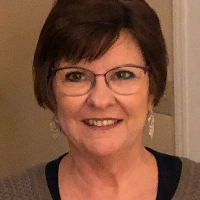
- Warm and direct
- CBT focused
- End-of-life support
About Debbie
Debbie uses Cognitive Behavioral Therapy, along with integrative techniques, to help people change unhelpful thinking and behavior patterns. She aims for clear, practical steps clients can try between sessions. Conversations are grounded in real-life concerns like stress, anxiety, grief, mood shifts, and parenting challenges.
Her background includes long-term clinical work with a wide range of people across many life stages. That experience informs a straightforward style that balances empathy with structure. Debbie says good outcomes start with agreement about goals and a shared plan to reach them.
Sessions often focus on identifying problematic thought patterns, testing new behaviors, and building coping tools for everyday situations. She also addresses issues such as adoption and foster care, autism and Asperger syndrome, blended family dynamics, and end-of-life concerns where relevant. The aim is to reduce distress and help people move toward more manageable daily living.
Debbie frames therapy as a collaborative effort. She listens closely, gives clear feedback, and adjusts her approach to match each person's needs and preferences. She considers it a privilege to support people in making meaningful changes.
Areas of expertise
Primary focus
Also works with
Additional focus areas
Therapeutic approaches
Experience
20+ years
Credentials
North Carolina, New Jersey, New Hampshire
Languages
English
How Cognitive Behavioral Approaches Work Online
CBT focuses on identifying thoughts and behaviors that contribute to distress and testing small changes to see what helps. It is practical and goal-oriented, and often useful for anxiety, depression, mood symptoms, and obsessive patterns.Integrative methods combine ideas from different approaches so work can be tailored to the person's current needs. That can mean mixing cognitive work with skills practice or problem-solving during a session to address concerns like grief, coping with life changes, or parenting stress.
Finding the right approach is part of the process. The therapist will collaborate with the client to decide which methods to try based on goals, challenges, and what feels most helpful. This is revisited and adjusted as progress is made.
Confirm the session formats available before booking, as the biography does not list specific online options. Online sessions can make it easier to fit therapy into a busy life by reducing travel time, allowing shorter check-ins when useful, and making it simpler to schedule appointments around work or caregiving. Licensed professionals can guide practical skills and homework that translate into daily routines without needing in-person visits.
Frequently asked questions
What kinds of concerns does Debbie address?
She helps with stress, anxiety, depression, mood disorders such as bipolar, grief, and coping with life changes among many other issues listed in her specialties.
What is her general therapy style?
Her style is kind and caring while also direct when needed. Sessions aim to combine listening with practical feedback and steps to try between visits.
How much clinical experience does she have?
She has more than 20 years of experience working with people from many walks of life and life stages.
What credentials and location are on record?
She is a Licensed Clinical Mental Health Counselor, credentialed as LCMHC in New Hampshire and North Carolina, and practices in North Carolina.
Which languages are supported for sessions?
Sessions are offered in English only.
Are international clients accepted?
She does not accept international clients at this time.
How are fees handled?
Cost varies with location and therapist availability; sessions use a subscription that can be canceled at any time.
How do I begin working with her?
Choose the Start Therapy button, complete a short matching questionnaire, then schedule according to the therapist's availability.