- Hospice and end-of-life counseling
- Art-informed approach
- CBT and mindfulness
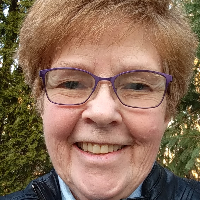
About Debra
Debra keeps sessions straightforward and personal. She listens first, then helps clients set small, doable goals. Sessions can include talk therapy and creative expression through art when clients are willing to try it. The focus is on clear steps people can use between meetings to feel better.
Her background includes work in community mental health, schools, faith-based settings, health systems, and private practice. That variety shapes a flexible style that adapts to each person’s needs. She is familiar with mood disorders, ADHD, panic, obsessive concerns, and trauma-related issues.
Debra combines client-centered care with cognitive behavioral tools, mindfulness, and EMDR where appropriate. She invites people to be honest about what they need and helps them practice new coping strategies. The goal is steady progress rather than quick fixes.
Clients can expect respectful conversation and practical tasks to try between sessions. Debra encourages patience with the process and supports people as they work toward clearer direction and improved daily functioning.
Areas of expertise
Also works with
Additional focus areas
Therapeutic approaches
Experience
30+ years
Credentials
Illinois, Wisconsin
Languages
English
How these approaches work for online therapy
Client-Centered Therapy focuses on listening and responding to what matters most to the person. The therapist mirrors concerns, offers empathy, and helps clients name goals they want to work on. This approach helps people who need a supportive space to sort out feelings and priorities.Cognitive Behavioral Therapy or CBT looks at current thoughts and behaviors that keep problems going. It breaks concerns into small steps and gives practical exercises to try between sessions. CBT can help with anxiety, depression, panic, and sleep difficulties.
EMDR is a method that helps process traumatic memories by combining focused attention with guided procedures. It is often used when past events keep causing strong emotional or physical reactions.
Finding the right approach is part of the work together. The therapist will talk with the client about goals, preferences, and what feels manageable. Decisions about which methods to use are made collaboratively and can change as progress happens.
Confirm which online session formats are available before booking because the profile does not list specific formats. Online sessions can make it easier to fit therapy into a busy life by reducing travel time, allowing shorter check-ins when needed, and letting people meet from calmer surroundings. Licensed professionals can adapt exercises, art activities, and homework for remote sessions so progress continues between meetings.
Frequently asked questions
What concerns does Debra address?
She works with stress, anxiety, grief, depression, caregiver issues, and life changes. Additional areas include cancer, hospice and end-of-life counseling, mood disorders, and women's issues.
How would you describe her therapy style?
Her approach is practical and client-centered. She listens, helps set small goals, and uses talk and creative methods to make progress.
What kind of experience does she bring?
She has 30 years of experience across community mental health, schools, faith-based settings, health systems, and private practice.
What credentials and location are listed?
She holds LCPC and LPC credentials and practices in Illinois with licenses noted in IL LCPC and WI LPC.
Which languages are offered and are international clients accepted?
Sessions are offered in English. International clients are not currently accepted.
What session formats are available?
Confirm current session options before booking, as the profile does not specify formats. Please check the booking steps to see what is offered.
How does cost work for sessions?
Cost varies with location and therapist availability. Sessions use a subscription that can be canceled at any time.
How do I begin working with her?
Use the Start Therapy button, complete a short matching questionnaire, and schedule according to therapist availability.