- Grief and loss
- Caregiver support
- Chronic illness
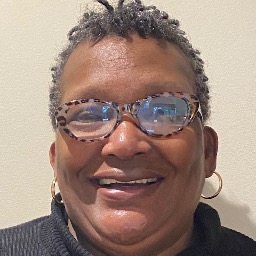
About Denise
She draws on ten years of experience working with older adults and people coping with aging, cancer, and long-term health challenges. Denise listens without judgment and works with each person at their own pace. Sessions focus on practical steps and clearer thinking rather than abstract talk.
Denise uses a mix of approaches tailored to the individual. Cognitive Behavioral Therapy helps identify unhelpful thoughts and build different habits. Narrative Therapy helps people reframe life stories so painful events don’t define them. Motivational Interviewing supports clearer goals and the motivation to act.
She also helps people find community resources and supports caregivers dealing with prolonged stress. Conversations address daily coping, symptom management, and planning for difficult transitions. Denise aims for realistic, achievable goals that fit each person’s life.
If someone is wrestling with end-of-life questions or hospice-related concerns, she offers calm, practical guidance to discuss wishes and emotions. Her work is grounded in respect for cultural differences and the unique stories people bring. To begin, clients complete a short questionnaire and schedule based on availability.
Areas of expertise
Primary focus
Also works with
Additional focus areas
Therapeutic approaches
Experience
10+ years
Credentials
Michigan
Languages
English
How her approaches guide online therapy
Denise uses Cognitive Behavioral Therapy to help people spot unhelpful thoughts and try new behaviors. That approach can be useful for anxiety, depression, and everyday stress. Narrative Therapy is used to rewrite the stories people tell about their lives so difficult events take up less space in daily thinking. This helps when grief or illness has reshaped a person's identity.Choosing the right approach is a team effort. The therapist will talk with each person about goals and preferences, then try methods that fit those aims. If something isn’t helping, adjustments are made so the work stays practical and focused on change.
The practical benefits of online work should be confirmed with the therapist since session formats were not listed in the biography. Ask about current options before booking. Online sessions can make it easier to fit meetings into a busy week, allow shorter check-ins when needed, and remove travel time so clients can spend energy on coping and planning. Licensed professionals can use these methods to support people facing hospice, caregiver, and chronic illness concerns.
Frequently asked questions
What concerns does she commonly help with?
She helps people dealing with grief, depression, anxiety, stress, and low self-esteem. She also supports those facing aging, cancer, chronic illness, and caregiver strain.
How would you describe her therapeutic style?
The approach is empathetic and non-judgmental with practical focus. Sessions aim to identify steps clients can take between meetings.
What background does she bring to therapy?
She has ten years of clinical experience working with geriatric concerns and long-term health issues. That background informs her work with hospice and end-of-life topics.
What credentials and location are listed?
She holds an LMSW and practices from Michigan.
In which languages are sessions available?
Sessions are offered in English.
Do you offer online or remote session formats?
Session formats are not specified in the biography; please confirm current session options before booking.
How is cost handled for sessions?
Cost varies with location and therapist availability, and sessions use a subscription that can be canceled at any time.
What is the first step to begin working together?
Click the Start Therapy button, complete a short matching questionnaire, and then schedule according to the therapist's availability.