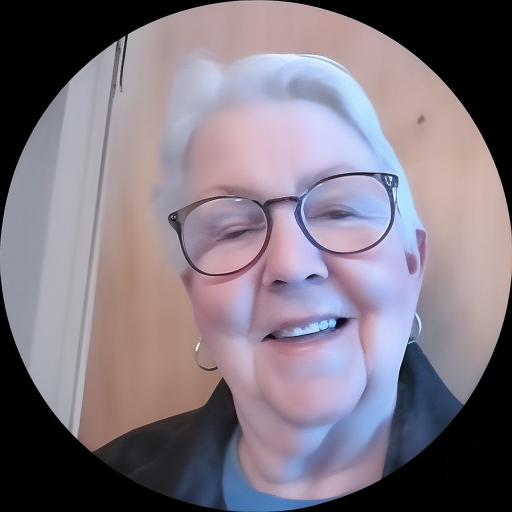
- Client-centered approach
- Focus on grief
- Support for LGBT
About Diana
Her main approach is client-centered therapy, which prioritizes the client's perspective and pace. She uses straightforward conversation to help people manage stress, anxiety, grief, and depression. She also helps those facing relationship or intimacy concerns, LGBT issues, and challenges related to bipolar conditions.
Diana has long experience helping people cope with major life shifts. That includes aging and geriatric concerns, chronic pain or illness, traumatic brain injury, personality-related difficulties, and hospice and end-of-life counseling. She adjusts the way she talks and plans work to match what each person tells her they need.
In sessions she aims to be supportive and empowering. She helps people name what feels difficult, try new ways of coping, and set steps that fit their life. The conversations are practical and focused on what a person wants to change.
To begin, Diana uses a short matching process to connect with someone and schedule sessions. She accepts that asking for help takes courage and approaches each person with sensitivity and respect.
Areas of expertise
Primary focus
Also works with
Additional focus areas
Therapeutic approaches
Experience
52+ years
Credentials
Colorado, Nebraska
Languages
English
Client-centered care adapted for online work
Client-centered therapy focuses on listening and reflecting what the client says so they feel heard and understood. This approach helps with stress, anxiety, depression, grief, and relationship concerns by letting the pace and goals come from the client rather than from a preset plan.In practice, sessions are conversational. The therapist uses open questions and empathy to help people name priorities and try small changes. That style can be useful for coping with life transitions, chronic illness, or end-of-life concerns because it centers personal values and what matters most to the client.
Finding the right approach is part of the therapeutic process. The therapist will work collaboratively to decide which methods and goals fit best based on a person's needs, life circumstances, and preferences. Together they check progress and adjust the plan as needed.
The original biography does not list specific online session formats, so confirm current options before booking. Online work can make it easier to fit sessions into a busy schedule, reduce travel time, and allow shorter check-ins when needed. Many people find virtual appointments helpful for maintaining continuity of care while managing everyday responsibilities.
Frequently asked questions
What concerns does this therapist address?
She helps with stress, anxiety, grief, depression, relationship and intimacy issues, LGBT-related concerns, and bipolar-related challenges, among other areas.
What is her therapeutic style like?
She practices client-centered therapy, which centers on listening, respect, and tailoring dialogue to each person's needs.
What kind of experience does she bring?
She has 52 years of professional work experience supporting people through a wide range of life challenges.
What credentials and location are listed?
She holds LCSW, CSW, and LIMHP credentials and practices in Colorado.
Which languages are used in sessions?
Sessions are offered in English and international clients are not currently accepted.
What session formats are available?
The original profile does not specify session formats; please confirm current session options before booking.
How does billing or cost work?
Cost varies with location and therapist availability; sessions use a subscription that can be canceled at any time.
How do I start working with this therapist?
Use the Start Therapy button, complete a short matching questionnaire, and schedule according to therapist availability.