- Community mental health
- Practical coping tools
- Trauma and grief focus
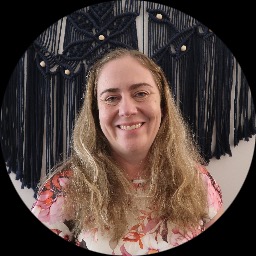
About Dianna
Dianna believes healing often involves understanding how past experiences shape current life. She focuses on helping people build practical skills for daily life and grow their confidence. Sessions aim to increase self-awareness and create simple tools people can use when stress or strong emotions arise.
She works with a wide range of concerns including stress, anxiety, trauma and abuse, depression, grief, and compassion fatigue. Other areas she supports include relationship struggles, intimacy-related issues, parenting challenges, addictions, ADHD, and career-related stress. She also attends to attachment and abandonment worries, caregiver stress, chronic pain or illness, dissociation, and some personality-related concerns.
Dianna draws from several approaches to match each person’s needs. She uses client-centered methods to follow a person’s lead, cognitive behavioral tools to change unhelpful patterns, and dialectical skills to manage intense emotions. Motivational interviewing and psychodynamic ideas also shape her work when they fit a person’s goals.
Her style is straightforward and supportive. People who want to heal from past wounds, increase emotional strength, or build a practical coping toolbox may find this approach helpful. Dianna practices in Texas and works in English.
Areas of expertise
Also works with
Additional focus areas
Therapeutic approaches
Experience
13+ years
Credentials
Texas
Languages
English
How Dianna’s approaches translate to online work
Client-centered therapy focuses on listening and following the person's priorities. It helps when someone needs a therapist who reflects understanding and supports their choices. Cognitive Behavioral Therapy, or CBT, looks at thoughts and behaviors that keep problems going and teaches strategies to change them, which can help with anxiety, depression, and stress. Dialectical Behavior Therapy, DBT, adds skills for managing intense emotions and improving distress tolerance, useful for mood swings and strong reactions.Finding the right approach is part of the work. Dianna will collaborate with each person to choose which methods fit their goals and preferences. The plan can shift over time as needs change, and sessions focus on practical steps the person can use between meetings.
If you are considering online therapy, confirm the current session options before booking since formats were not specified in the biography. Online therapy can make it easier to fit sessions into a busy life, reduce travel time, and allow shorter check-ins when schedules are tight. It also lets people practice coping skills where they live and apply new tools directly to daily routines. Licensed professionals adapt interventions like CBT and DBT to work well in remote sessions and tailor them to what each person needs.
Frequently asked questions
What kinds of concerns does Dianna help with?
She works with stress, anxiety, trauma and abuse, depression, grief, relationship and intimacy issues, parenting concerns, addictions, ADHD, and related struggles listed in her specialties.
How would you describe her therapeutic style?
Her approach is straightforward and supportive. She helps people build coping skills, increase self-awareness, and address past experiences that affect current life.
What is her professional background?
She earned a degree from Sam Houston State University and has worked in community mental health for most of her 13 years in the field, plus running court-ordered groups and part-time individual therapy.
What credentials and location should I know about?
She is a Licensed Professional Counselor, LPC, practicing in Texas.
Which languages are sessions offered in?
Sessions are offered in English.
Does she see clients outside the United States?
International clients are not currently accepted.
How are sessions paid for and what does cost look like?
Cost varies with location and therapist availability; sessions use a subscription that can be canceled at any time.
How do I begin working with her?
Click the Start Therapy button, complete a short matching questionnaire, and schedule according to therapist availability.