- Strengths-focused
- Culturally respectful
- Goal oriented
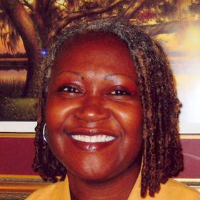
About Doris
She focuses on grief and hospice and end-of-life counseling alongside addictions, depression, anxiety, and relationship concerns. She also helps with caregiver stress, aging and geriatric issues, and compassion fatigue. Sessions tend to center on where the client wants to go and what strengths they already have to get there.
Her work blends Acceptance and Commitment Therapy, client-centered listening, and mindfulness practices to help people manage difficult feelings and make values-driven choices. Motivational interviewing is used when exploring readiness for change, especially around substance use and harmful behaviors. Existential themes are also woven into conversations about meaning and life transitions.
She has written about women of color and their struggles for self-care and growth, and that experience informs her respectful attention to cultural concerns. Dr. Hann-Morrison will challenge unhelpful thinking while supporting realistic steps forward.
Clients can expect clear guidance, direct feedback, and emphasis on strengths and practical strategies. The therapist frames sessions as the client’s time to speak and set goals, with spirituality included only if the client wants it.
Areas of expertise
Primary focus
Also works with
Additional focus areas
Therapeutic approaches
Experience
25+ years
Credentials
South Carolina
Languages
English
Therapeutic approaches and how they work online
Acceptance and Commitment Therapy (ACT) helps people clarify what matters most to them and take small actions that match their values. It’s useful for grief, anxiety, depression, and navigating major life changes. Client-Centered Therapy focuses on careful listening and empathy so clients feel heard and can find their own solutions; this approach supports self-esteem and relationship concerns.Finding the right approach is part of the work. The therapist will collaborate with each person to choose methods that fit their goals, needs, and preferences. Decisions are revisited as progress is made so the plan can shift if something isn’t working.
Session format details are not specified here, so confirm current options before booking. Online sessions can make it easier to fit therapy into a busy life by removing travel time and allowing sessions during a break or between commitments. They can also allow for shorter check-ins when needed or conversation without video if that helps someone focus. Ask about scheduling and format choices when you set up the first appointment so sessions match your daily routine and goals.
Frequently asked questions
What issues does she commonly address?
She works with grief and hospice and end-of-life concerns as well as addictions, depression, anxiety, relationship issues, caregiver stress, and aging-related matters.
How would you describe her therapeutic style?
Her style is direct and strengths-focused. She supports growth while challenging unhelpful thinking and emphasizing clear goals.
What background and experience informs this work?
She brings 25 years of clinical experience and has written about women of color and self-care, which informs her attention to cultural concerns.
What credentials and region are listed for this therapist?
She is an LPC - licensed professional counselor - practicing in South Carolina.
Which languages are supported for sessions?
Sessions are offered in English.
Are international clients accepted?
International clients are not currently accepted.
How are session fees handled?
Cost varies with location and therapist availability; sessions use a subscription that can be canceled at any time.
What are the first steps to begin therapy?
Click the Start Therapy button, complete a short matching questionnaire, and schedule according to therapist availability.