- Client-centered
- CBT and DBT skills
- Spanish and English
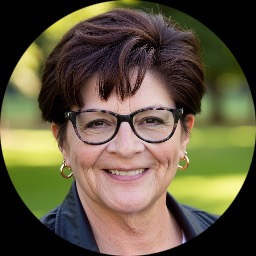
About Elizabeth
Her work draws on client-centered methods that respect each person’s background and values. She also uses cognitive behavioral techniques to spot unhelpful thinking and DBT skills to manage strong emotions. Motivational interviewing and solution-focused tools are used when someone wants to make a behavior change or set clear short-term goals.
Elizabeth has spent much of her career supporting people from diverse cultural backgrounds. She has experience with first responder concerns, immigration-related stress, and issues tied to prejudice and discrimination. She also includes hospice and end-of-life counseling among the life transitions she helps people navigate.
Sessions are offered in English and Spanish, which helps when cultural context matters in how problems are understood and addressed. Elizabeth aims to build a respectful, collaborative space where clients feel heard and can practice new skills between sessions.
Her approach focuses on clear, achievable steps rather than long lists of techniques. People meet with her to talk through immediate struggles, develop coping strategies, and work toward steady change over time.
Areas of expertise
Primary focus
Also works with
Additional focus areas
Therapeutic approaches
Experience
21+ years
Credentials
Arizona, Colorado
Languages
English, Spanish
How therapeutic approaches guide online care
Client-Centered Therapy focuses on listening and understanding each person's perspective. It helps people feel heard and supported while they decide what changes matter most to them. Cognitive Behavioral Therapy, or CBT, looks at patterns of thinking and behavior. It offers practical exercises to shift unhelpful thoughts and build more effective habits, useful for anxiety, depression, and stress management.Finding the right approach is a collaborative process. The therapist will work with each person to choose techniques that match their goals, needs, and day-to-day life. Goals and methods can change over time as progress is made or new challenges appear.
Confirm session formats before booking, since this profile does not list specific online options. In general, online therapy can make it easier to fit sessions into a busy schedule, reduce travel time, and allow for shorter check-ins when needed. It can also let someone choose a quieter moment at home or during a break, or avoid camera use when lower bandwidth or visual comfort is preferred. Licensed professionals and therapists can help decide which arrangement will work best for practical needs and therapeutic goals.
Frequently asked questions
What kinds of concerns can Elizabeth help with?
She works with stress, anxiety, depression, grief, addictions, relationship and intimacy issues, parenting and family concerns, trauma and abuse, self-esteem, anger, bipolar challenges, coping with life changes, and related topics.
How would you describe her therapeutic style?
Her style is client-centered and collaborative, combining practical techniques with attentive listening to help people set and reach clear goals.
What background does she bring to therapy?
She has 21 years of professional experience working with diverse communities, including first responders and immigrant populations, and with people facing major life transitions.
What credentials and where is she based?
She holds the LPC credential and practices in Arizona.
Which languages are available for sessions?
Sessions are offered in English and Spanish.
Can international clients arrange sessions?
International clients are not currently accepted.
How does cost work for sessions?
Cost varies with location and therapist availability, and sessions use a subscription that can be canceled at any time.
What are the first steps to begin working together?
Use the Start Therapy button, complete a short matching questionnaire, and then schedule based on the therapist's availability.