- Grief support
- Family concerns
- Practical strategies
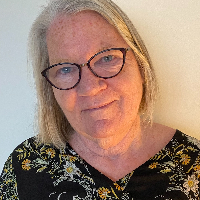
About Ellen
She has three decades of experience in mental health and child welfare settings. That background means she has worked with many different challenges, including trauma, depression, anxiety, addictions, and hospice and end-of-life concerns. Ellen focuses on what matters most to each person and adapts her approach to fit those needs.
Sessions usually begin with getting to know one another and identifying immediate goals. Ellen commonly meets weekly for about 45 minutes and prefers starting on video so she can better connect, though phone and text contact are also options. She describes therapy as a partnership built on trust, honesty, and practical effort.
Her approach draws from several methods such as cognitive behavioral techniques, solution-focused strategies, and motivational interviewing. She aims to help clients notice patterns, try small changes, and build clearer choices for daily life. Ellen also works with caregivers on stress and compassion fatigue.
Her manner is direct but warm, and she helps people learn more about how they relate to others and to themselves. To begin, readers can use the Start Therapy button and complete the short matching questionnaire to schedule a session.
Areas of expertise
Primary focus
Also works with
Additional focus areas
Therapeutic approaches
Experience
30+ years
Credentials
District of Columbia
Languages
English
How Ellen's approaches translate to online therapy
Client-Centered Therapy focuses on listening and building a trusting relationship so clients feel heard and understood. It helps with emotional concerns, grief, and relationship struggles by centering the person's experience and goals.Cognitive Behavioral Therapy, or CBT, looks at how thoughts, feelings, and actions connect. It helps with anxiety, depression, and stress by teaching simple skills to change unhelpful patterns and experiment with new behaviors.
Motivational Interviewing helps people clarify what matters to them and resolve mixed feelings about change. It can be useful for addictions, readiness for life changes, and making practical steps forward.
Finding the right approach is part of the work. Ellen collaborates with each person to choose methods that match their needs, goals, and preferences. That means trying things, checking what helps, and adjusting plans together as progress unfolds.
Confirm the current session formats before booking, since available options can vary. The biography indicates she commonly starts with video and also connects by phone or text. Online sessions can make it easier to fit therapy into a busy day, offer shorter check-ins when needed, reduce travel time, and allow more flexible scheduling for mornings or weekends.
Frequently asked questions
What kinds of issues does Ellen help with?
Ellen works with people facing grief, family conflicts, relationship strain, stress, anxiety, depression, trauma, addictions, hospice and end-of-life counseling, and related concerns.
What is Ellen's approach to therapy?
She uses an adaptable, client-centered style that draws on cognitive behavioral techniques, solution-focused strategies, and motivational interviewing to set goals and try practical changes.
How much experience does she bring to sessions?
She brings about 30 years of experience in mental health and child welfare settings, which informs her work with a wide range of issues.
Where is Ellen licensed and based?
She is a LICSW in the District of Columbia and holds the credential listed as LICSW.
In which languages can sessions be held?
Sessions are offered in English, and Ellen accepts international clients.
What session formats are available?
The biography notes video, phone, and text interactions as ways she connects. Confirm specific current session options before booking.
How does pricing and payment work?
Cost varies with location and therapist availability; sessions use a subscription that can be canceled at any time.
How do I begin working with Ellen?
Start by selecting the Start Therapy button, complete the short matching questionnaire, and schedule according to therapist availability.