- Grief and end-of-life
- Anxiety and depression
- Practical coping skills
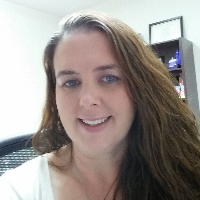
About Emily
Emily has 23 years of experience across clinical settings. She holds bachelor degrees in biology and psychology and a master degree in counseling and guidance. That background shaped a flexible approach to difficult problems, and she draws on multiple methods rather than a single technique.
Her sessions are tailored to each person’s needs. Emily uses client-centered work to follow what matters to the client, cognitive behavioral tools to address unhelpful thinking and behavior, and mindfulness practices to help with emotional regulation. Motivational interviewing and emotionally-focused ideas also appear when they fit the goal.
In practice she breaks big issues into smaller steps. She helps clients set realistic goals, try new coping skills, and track what works. For people facing grief or end-of-life questions, she aims to create space to talk through fears, values, and practical decisions while honoring personal priorities.
Emily writes treatment plans with clear, doable actions. She encourages steady progress and adjusts the plan as needs change. The overall tone is calm, direct, and practical, aimed at helping people move forward even during hard times.
Areas of expertise
Primary focus
Also works with
Additional focus areas
Therapeutic approaches
Experience
23+ years
Credentials
Arkansas
Languages
English
How Emily’s approaches translate to online care
Client-Centered Therapy focuses on the person’s own goals and experience. The therapist listens, reflects, and follows what feels most important so clients shape the pace and topics. Cognitive Behavioral Therapy, or CBT, looks at the links between thoughts, feelings, and actions, and uses small experiments and skill practice to reduce anxiety and improve mood. Emotionally-Focused Therapy emphasizes understanding emotions in relationships and inside oneself to help shift patterns that cause pain.Finding the right mix of methods is part of the work. Emily collaborates with each client to choose approaches that match their needs, goals, and comfort. If one method isn’t helping, she adjusts course and tries alternatives together with the client.
Confirm current session options before booking, as specific online formats are not listed here. In general, online work can make it easier to fit therapy into busy schedules, reduce travel time, and allow shorter check-ins when that suits a person’s day. Phone sessions may be helpful when video is difficult, and video can allow face-to-face connection for deeper emotional work. The therapist will discuss which setup fits your goals and daily routine when you get started.
Frequently asked questions
What concerns does she help with?
She supports people facing stress, anxiety, depression, grief, addictions, relationship and intimacy issues, ADHD, caregiver strain, and many life changes.
What is her therapy style like?
Her approach is flexible and practical. Sessions focus on what matters to the client and use tools to change thinking and behavior and to build coping skills.
What experience does she bring?
She has 23 years of experience working in a variety of settings and with diverse concerns including trauma, addiction, and mood disorders.
Which credentials and region apply?
She holds the LPC credential and works from Arkansas.
In which language are sessions offered?
Sessions are offered in English.
Can international clients work with her?
She does not accept international clients at this time.
How are costs and billing handled?
Costs vary with location and therapist availability; sessions use a subscription that can be canceled at any time.
How do I begin therapy with her?
Click the Start Therapy button, complete a short matching questionnaire, and schedule according to therapist availability.