- Attachment-informed
- Skills-based
- Grief support
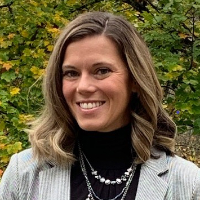
About Erika
She uses attachment-based ideas to look at how relationships shape feelings and behavior. She also uses client-centered work to follow each person’s pace and priorities. Cognitive Behavioral Therapy and Dialectical Behavior Therapy are tools she brings for thinking habits, emotion regulation, and coping skills.
Erika has three years of counseling experience and practices in West Virginia. She has worked with issues such as addiction, trauma and abuse, grief, depression, anxiety, sleep problems, and eating concerns. She also addresses caregiver stress, chronic illness and pain, and relationship challenges like communication and commitment concerns.
In sessions she focuses on concrete skills and steady support. That can mean learning emotion regulation strategies, practicing new communication steps, or planning small changes in routines. The goal is to make progress that people notice between visits.
People seeking help are invited to complete the intake steps and schedule sessions according to availability. Erika works in English and does not take international clients. She aims for clear goals and respectful collaboration during counseling.
Areas of expertise
Primary focus
Also works with
Additional focus areas
Therapeutic approaches
Experience
3+ years
Credentials
West Virginia
Languages
English
How therapy approaches guide online work
Attachment-Based Therapy looks at how early and current relationships affect emotion and trust. It helps people who struggle with closeness, abandonment worries, or repeating unhealthy patterns in relationships. Client-Centered Therapy centers the person's experience and preferences; the therapist follows the client's pace and priorities to build practical change together. Cognitive Behavioral Therapy focuses on thoughts, behaviors, and routines that keep problems going and teaches step-by-step skills to test and change them.Finding the right approach is part of the work. Erika will collaborate with each person to decide which methods fit their needs and goals. That plan can adapt as the work proceeds, with a mix of relationship-focused and skills-based tools when helpful.
The practical benefits of online therapy include fitting sessions into a busy life and keeping momentum between visits. Confirm the current session options before booking so you know which formats are available. Many people find that remote sessions make it easier to maintain regular appointments, allow quick check-ins when needed, and reduce time spent traveling to appointments.
Frequently asked questions
What kinds of concerns does Erika address?
She works with stress, anxiety, grief, depression, addiction, trauma and abuse, relationship and intimacy issues, sleep and eating problems, caregiver strain, chronic pain and illness, and related concerns such as ADHD and body image.
How would you describe her therapeutic style?
Her approach is collaborative and practical. She focuses on building trust, teaching coping skills, and following each person's goals at a manageable pace.
What background and experience does she have?
She has three years of counseling experience and has worked with clients on addiction, grief, trauma, mood and anxiety issues, and sleep disorders.
What credential and region does she practice in?
She holds the LPC credential and sees clients in West Virginia.
Which languages are supported?
Sessions are offered in English.
Does she work with international clients?
She does not accept international clients at this time.
How are sessions priced?
Cost varies with location and therapist availability; sessions use a subscription that can be canceled at any time.
What are the first steps to begin therapy?
Select the Start Therapy button, complete a short matching questionnaire, and schedule sessions according to the therapist's availability.