- Practical coping skills
- Mood and anxiety help
- Client-centered care
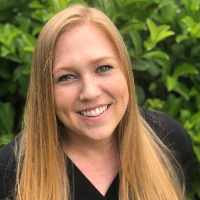
About Faith
Faith draws on several therapy styles to match what each person needs. She listens closely to what feels most pressing, then helps set small, doable goals. Sessions tend to cover skills for managing strong feelings, clearer communication, and steps to improve daily routines.
Her approach is straightforward and collaborative. Clients work together with her to identify underlying patterns and build coping tools. She teaches techniques for mood regulation, problem solving, and better sleep habits when those are getting in the way of daily life.
Faith has experience helping people with depression, bipolar symptoms, anxiety, substance concerns, and compassion fatigue. She also supports those facing relationship strain, parenting stress, and challenges tied to adoption, attachment, or caregiver responsibilities. Grief and end-of-life concerns are among the issues she addresses.
Sessions are practical and paced to each person’s needs. People can expect a focused process that balances listening with skill-building. To begin, clients choose the Start Therapy button and complete a short matching questionnaire to schedule according to availability.
Areas of expertise
Primary focus
Also works with
Additional focus areas
Therapeutic approaches
Experience
10+ years
Credentials
Florida
Languages
English
How therapeutic approaches guide online care
Client-centered therapy focuses on treating each person as the expert on their life. The therapist listens deeply and follows the client's priorities to guide sessions and goal-setting.Cognitive Behavioral Therapy, or CBT, looks at the links between thoughts, feelings, and actions. It teaches practical steps to change unhelpful thinking and behaviors, which can help with anxiety, depression, and sleep problems.
Dialectical Behavior Therapy, DBT, offers specific skills for managing intense emotions and improving relationships. It includes techniques for emotional regulation, distress tolerance, and clearer communication.
Finding the right approach is part of the process. The therapist will work together with the client to pick methods that fit their needs and what they want to change. That collaborative choice can shift over time as goals evolve.
If you plan to use online sessions, confirm current session options before booking so you know what formats are available. Online work can make it easier to fit therapy into a busy day, allow shorter check-ins when needed, or avoid travel time. Talk with the therapist about what will work best for scheduling, pacing, and the kind of support you want.
Frequently asked questions
What kinds of problems does Faith help with?
She helps people dealing with stress, anxiety, depression, bipolar symptoms, grief, addictions, relationship strain, and compassion fatigue, among other concerns.
What is her therapy style like?
Her style is collaborative and practical. She combines client-centered listening with skill building and short-term goals.
How much experience does she have?
Faith has ten years of clinical experience working with a range of mood, behavior, and coping concerns.
What credentials and region does she represent?
She holds an LCSW credential and practices in Florida.
Which languages are supported for sessions?
Sessions are offered in English.
Can international clients work with her?
She is not accepting international clients at this time.
How are sessions priced?
Cost varies with location and therapist availability; sessions use a subscription that can be canceled at any time.
How do I begin working with her?
Select the Start Therapy button, complete a short matching questionnaire, and schedule based on the therapist's availability.