- Client-centered approach
- CBT strategies
- Grief and loss
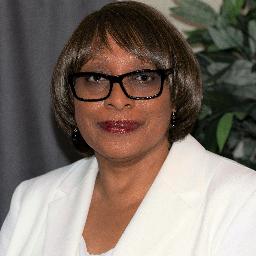
About Faye
She uses Client-Centered Therapy to create a supportive space where a person’s own goals guide the work. She also draws on Cognitive Behavioral Therapy (CBT) to help people identify unhelpful thoughts and try new behaviors that can reduce anxiety and low mood.
Powell has eight years of professional experience working with concerns that include substance use, isolation and loneliness, social anxiety, and issues related to aging, cancer, HIV/AIDS, and intellectual disability. She explicitly lists hospice and end-of-life counseling among her experience areas and is familiar with grief and loss work.
In sessions she aims to listen closely, reflect what she hears, and tailor the conversation and planning to each person. Practical skill building and concrete changes are combined with empathetic listening when appropriate.
Faye encourages people who are nervous about starting therapy to recognize that taking the first step is meaningful. She asks clients to complete a short matching questionnaire to begin, and scheduling follows based on therapist availability.
Areas of expertise
Primary focus
Additional focus areas
Therapeutic approaches
Experience
8+ years
Credentials
Georgia
Languages
English
Using Client-Centered and CBT Approaches Online
Client-Centered Therapy focuses on listening, acceptance, and following the client’s goals. The therapist creates space for people to say what matters to them and helps them shape the work around their priorities.Cognitive Behavioral Therapy, or CBT, helps people spot thought patterns that fuel anxiety or low mood. It uses practical exercises and small behavior changes to test new ways of reacting and reduce distress.
Finding the right approach is part of the work. The therapist and the person will review goals, preferences, and progress together and adjust methods as needed. This is a collaborative process rather than a one-size-fits-all prescription.
If you are considering online therapy, check which session formats are offered before booking since this profile does not list specific formats. Online work can make it easier to fit sessions into a busy life, reduce travel time, and allow check-ins that match a person’s schedule. Some formats are useful for shorter check-ins or when a quieter space is needed, while others better support longer therapeutic exploration. Confirm available session options when you start the process so you can choose what fits your daily routine.
Frequently asked questions
What concerns does this therapist address?
She works with stress, anxiety, grief, anger, and depression, plus related issues such as substance use, isolation, social anxiety, aging concerns, cancer, HIV/AIDS, intellectual disability, and hospice and end-of-life counseling.
How would you describe her therapeutic style?
She blends a client-centered style with Cognitive Behavioral Therapy. That means sessions aim to be listening-focused while also trying practical changes in thoughts and behaviors.
What is her background and experience?
She has eight years of professional experience working with the concerns listed in her profile and emphasizes tailoring treatment to each person.
What credentials and location are listed for this therapist?
She is a Licensed Professional Counselor, LPC, licensed in Georgia.
Which languages are available for sessions?
Sessions are offered in English.
Can people outside the United States work with her?
International clients are not currently accepted.
How is cost handled for sessions?
Cost varies with location and therapist availability; sessions use a subscription that can be canceled at any time.
How do I get started with therapy here?
Select the Start Therapy button, complete a short matching questionnaire, and schedule a session according to therapist availability.