- Mindfulness informed
- Sexuality and intimacy
- Grief and end of life
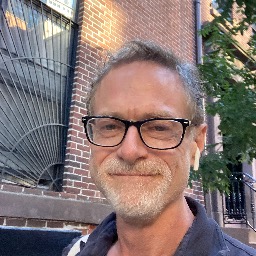
About Graham
He brings a varied career background to therapy, including roles as a mental health therapist, program manager, and public health program director. That history includes community services planning and work with people living with HIV to shape local resources. He is also a coauthor of the book The Healing Power of Community: Mutual Aid, AIDS, and Social Transformation in Psychology.
In sessions he talks directly about relationships, intimacy, and sexuality, including LGBTQ issues. He also addresses substance use and harm reduction, including crystal methamphetamine use, and helps people manage depression, anxiety, and mood disorders. He works with grief, hospice and end-of-life counseling, and stress tied to life changes.
Graham uses several therapy methods to match each person's needs. He draws on client-centered work to follow the client's lead and build collaboration. He uses DBT skills for emotion regulation and mindfulness to notice body and thought patterns. Motivational interviewing is part of how he supports change and practical steps.
People who reach out can expect straightforward conversation about goals, habits, and small changes. He often blends short skills practice with deeper conversations about meaning and purpose. Those seeking help around medical, aging, or multicultural concerns may find his background relevant.
Areas of expertise
Primary focus
Also works with
Additional focus areas
Therapeutic approaches
Experience
14+ years
Credentials
Oregon
Languages
English
How his approaches shape online therapy
Graham often uses client-centered methods that focus on the person's experience and goals. This approach means sessions follow what matters most to the client, helping set practical aims and small steps toward change.He also brings Dialectical Behavior Therapy (DBT) skills into work with strong emotions. DBT offers concrete strategies for managing intense feelings, improving relationships, and tolerating distress. Mindfulness practice is another common thread, teaching simple attention and grounding skills to reduce rumination and improve sleep and mood.
Finding the right approach is part of the process. He works collaboratively to identify which methods fit a persons needs and preferences. That can mean trying short skills work, deeper existential conversations about life purpose, or a mix of both and adjusting the plan as progress is made.
Session formats are not specified in the biography, so confirm current options before booking. Online therapy can make it easier to fit sessions into a busy life, reduce travel time, and allow brief check-ins when needed. It can also let people use practices like guided mindfulness between sessions to reinforce learning without changing daily routines.
Frequently asked questions
What concerns does Graham commonly address?
He helps with a wide range of issues including addictions, depression, anxiety, relationship and intimacy challenges, grief, trauma, and coping with life changes.
What is his therapy style like?
His style is person-centered and conversational, with a nonreligious spiritual perspective. Sessions combine practical skills like mindfulness and DBT with deeper talk about meaning and relationships.
How much clinical experience does he have?
He has 14 years of experience in mental health roles that include direct therapy, program management, and public health work.
What credential and region is he based in?
He holds the LPC credential and practices in Oregon.
Which languages are supported for sessions?
Sessions are offered in English only.
Can international clients work with him?
He does not accept international clients at this time.
How are session costs handled?
Cost varies with location and therapist availability; sessions use a subscription that can be canceled at any time.
What steps are required to begin therapy?
Click the Start Therapy button, complete a short matching questionnaire, and schedule according to the therapist's availability.