- Grief and loss
- Anxiety and stress
- Practical coping skills
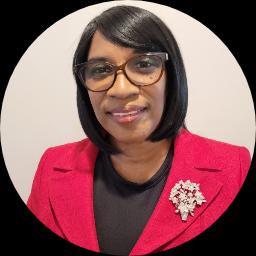
About Jacquelyn
Dr. Mentor earned a Doctor of Education in Counseling Psychology and also holds bachelor’s and master’s degrees in psychology. She is a Licensed Mental Health Counselor, and she has worked in clinical settings for over two decades. Much of her work has touched on trauma, abuse, domestic violence, caregiving stress, and bereavement. Hospice and end-of-life counseling is among the areas listed in her experience.
In sessions she aims to be calm, respectful, and direct. She uses tools and resources so people can practice new skills between meetings. She emphasizes straightforward conversation and practical steps rather than jargon or long theory talks.
Her style draws from Client-Centered Therapy and Cognitive Behavioral Therapy, with problem-focused strategies from Solution-Focused Therapy when people want quick, doable changes. Trauma-focused methods inform her work with people recovering from painful events.
Dr. Mentor describes her role as a steady companion during difficult times. She helps people build coping strategies for life transitions, caregiving burdens, and medical or bereavement stress. The emphasis is on realistic goals and workable changes that fit daily life.
Areas of expertise
Primary focus
Also works with
Additional focus areas
Therapeutic approaches
Experience
23+ years
Credentials
Florida
Languages
English
How these approaches translate to online care
Client-Centered Therapy focuses on understanding each person’s experience and building a trusting therapeutic connection. In practice this means the therapist listens carefully, reflects what is said, and follows the client’s lead to set goals that feel meaningful.Cognitive Behavioral Therapy, or CBT, teaches people to notice unhelpful thoughts and test them with small behavioral changes. It often includes simple exercises and homework to reduce anxiety, manage mood, and change patterns that keep problems going.
Solution-Focused Therapy concentrates on practical steps and small wins. The therapist helps identify what’s already working and builds short-term plans so clients can see progress quickly.
Finding the right approach is part of the work together. The therapist will collaborate with each person to choose or combine methods based on their goals, needs, and preferences. That may mean trying a few strategies and adjusting them over time.
Practical benefits of online therapy include fitting sessions into a busy week and keeping momentum between appointments. Because the biography does not specify session formats, confirm current options before booking. Online care can make it easier to continue counseling during life transitions, to check in more frequently when needed, and to use written or audio exercises between meetings.
Frequently asked questions
What kinds of concerns does this therapist address?
She works with people facing anxiety, depression, grief, relationship and family stress, trauma and abuse, caregiving burdens, and addiction-related issues.
How would you describe the therapeutic style?
Her style is warm and nonjudgmental, focusing on listening, empathy, and practical tools. Sessions mix supportive conversation with skill-building exercises.
What is her professional background?
She has more than 23 years of clinical experience and has worked with trauma, domestic violence, bereavement, and caregiving concerns among other issues.
What credentials and region are listed?
She holds the LMHC credential and practices in Florida.
Are sessions offered in other languages or internationally?
Sessions are offered in English. International clients are not currently accepted.
What session formats are available?
The original biography does not list specific session formats; please confirm current session options before booking.
How does billing and cost work?
Cost varies with location and therapist availability; sessions are provided through a subscription that can be canceled at any time.
What is the first step to begin working together?
Click the Start Therapy button, complete a short matching questionnaire, and schedule sessions according to the therapist's availability.