- End-of-life grief support
- Practical relationship work
- Skills for daily coping
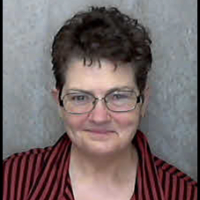
About Julie
She trained at the University of Houston where she earned a Master of Social Work and later held advanced clinical social work licensure. Over her career she has practiced in multiple regions, including international work in Canada and the South Pacific, and has long-standing experience with grief and end-of-life concerns.
Julie’s approach is practical and relational. Sessions focus on what matters most in everyday life and on small changes that add up. She listens for patterns in relationships and helps people notice how those patterns affect mood, behavior, and decision making.
Therapeutic methods she uses include attachment-based work, client-centered listening, cognitive behavioral tools, dialectical behavior ideas, and emotionally focused strategies. Those approaches are mixed to match each person’s needs rather than applied the same way to everyone.
People come to Julie for help with stress, anxiety, depression, trauma, addictions, relationship strain, caregiving burden, grief, and change. She also addresses concerns such as body image, parenting strain, codependency, and aging and geriatric issues. Her style is steady, compassionate, and goal-oriented.
Areas of expertise
Primary focus
Also works with
Additional focus areas
Therapeutic approaches
Experience
35+ years
Credentials
Texas, Texas, Connecticut, Maryland, New Hampshire
Languages
English
How therapeutic approaches shape online work
Attachment-based work looks at how early relationship patterns influence current feelings and behavior; it helps people understand why they react a certain way when close to others. Client-centered therapy focuses on listening and reflecting so people feel heard and can find their own solutions; it suits those who want a supportive space to talk. Cognitive behavioral therapy (CBT) helps identify unhelpful thoughts and habits and teaches practical skills to change them, which is useful for anxiety, depression, and coping with life changes.Finding the right approach is part of the work. Julie will collaborate with each person to decide which methods fit their goals and preferences. That process can include trying different techniques and adjusting plans as needs change.
The biography does not list specific online session formats, so confirm current options before booking. Online therapy can make scheduling easier, reduce travel time, and allow shorter check-ins between commitments. It also makes it possible to continue work with a licensed professional when relocation or travel would otherwise interrupt progress.
Frequently asked questions
What kinds of concerns does this therapist address?
Julie works with stress, anxiety, depression, trauma and abuse, addictions, grief, relationship and intimacy-related issues, caregiver strain, and many life changes.
What is Julie's general therapeutic style?
She uses a practical, relational approach and listens for patterns in relationships. Sessions focus on concrete steps people can take between meetings.
How long has she been practicing?
She has 35 years of clinical experience and has worked in Texas as well as internationally in Canada and the South Pacific.
What credentials and location are listed for this therapist?
Credentials include LCSW-C and LCSW with licensure in Texas; she practices from Texas.
Are sessions offered in languages other than English?
Sessions are offered in English and international clients are accepted.
Which session formats are available?
The original biography did not specify session formats; please confirm current session options before booking.
How does cost work for sessions?
Cost varies by location and therapist availability and sessions use a subscription that can be canceled at any time.
How do I begin working with Julie?
Click the Start Therapy button, complete a short matching questionnaire, and schedule according to the therapist's availability.