- Hospice and end-of-life
- Trauma and EMDR
- Mindfulness and EFT
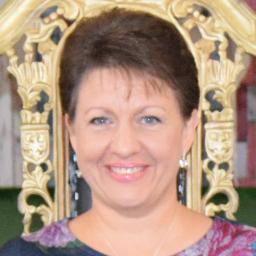
About Jurgita
Her background includes time working in healthcare as an oncology nurse, which shaped her interest in psychological support for people facing serious illness and loss. That experience informs her work with cancer, chronic illness and caregiver stress, and with hospice and end-of-life counselling needs.
Sessions focus on what matters to each person. Jurgita uses client-centred methods and emotionally-focused therapy to help people untangle painful patterns in relationships and emotion. She also uses EMDR for trauma-related memories and mindfulness techniques to stabilise stress and improve focus.
People who come for help often want support with grief, depression, anxiety and trauma, as well as parenting strain, career stress and low self-esteem. She also helps those coping with chronic pain, phobias and compassion fatigue. Her style aims to be warm, direct and practical, with short exercises and breathing or grounding tools where helpful.
To begin, people complete a short questionnaire and then schedule sessions according to availability. Sessions use a subscription model that can be cancelled at any time, so people can manage the commitment around other responsibilities.
Areas of expertise
Primary focus
Also works with
Additional focus areas
Therapeutic approaches
Experience
10+ years
Credentials
BACP · United Kingdom, NCPS · United Kingdom
Languages
English
How therapeutic approaches work in online counselling
Client-centred therapy focuses on the person's own priorities and experience, with the counsellor listening closely and reflecting back what matters most. It helps when someone needs a calm space to make decisions, manage grief or find clearer direction. Emotionally-Focused Therapy (EFT) helps people understand and shift patterns in how they react to strong emotions, which can ease relationship distress and deep emotional pain. Eye Movement Desensitisation and Reprocessing (EMDR) targets distressing memories by pairing focused attention with guided processing, often used for trauma-related symptoms.Finding the right approach is part of the work. The counsellor will talk with each person about their goals, symptoms and preferences and then try approaches that seem likely to help. That collaborative process means methods can be adapted as progress unfolds, with regular check-ins about what is or isn't helpful.
The original profile does not list specific online session formats, so confirm current options before booking. Online counselling can make it easier to fit sessions into a busy life, reduce travel time and allow quicker access to support during difficult periods. It also offers flexibility for shorter check-ins or sessions that focus on breathing, grounding and skill practice when that suits the person's day.
Frequently asked questions
What concerns does Jurgita commonly address?
She helps people with stress, anxiety, grief, depression, trauma and abuse, and relationship issues, plus parenting strain, anger, self-esteem and career worries.
How would you describe her therapeutic style?
Her approach is integrative and client-centred, combining emotionally-focused work, mindfulness practices and trauma-focused methods to meet practical needs in sessions.
What experience does she bring to counselling?
She has ten years of professional experience, including prior work as an oncology nurse that influenced her focus on serious illness, caregiving stress and end-of-life matters.
Which credentials and location are listed?
She holds BACP and NCPS credentials and is based in the United Kingdom.
In which languages are sessions offered?
Sessions are offered in English, and international clients are not currently accepted.
What session formats are available?
The original profile did not specify session formats; please confirm current session options before booking.
How does the subscription and cost work?
Cost varies with location and therapist availability; sessions operate via a subscription that can be cancelled at any time.
What are the first steps to start therapy?
Select the Start Therapy button, complete a short matching questionnaire, and schedule sessions according to the therapist's availability.