- Attachment-focused
- Client-centered care
- LGBTQ ally
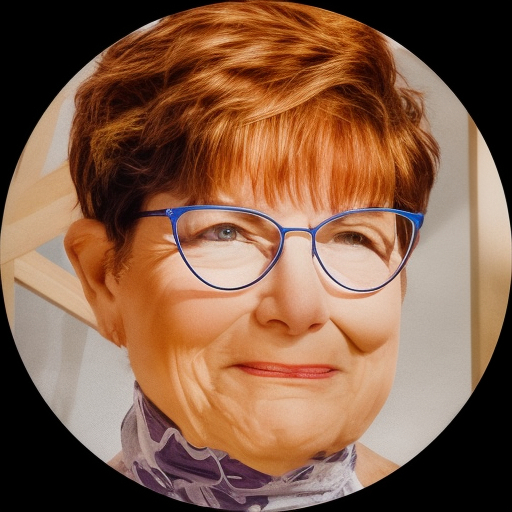
About Karena
Her work covers relationship and intimacy concerns, anger, depression, and adjusting to life changes. She also supports people dealing with abandonment, attachment wounds, chronic illness or pain, and isolation. Hospice and end-of-life counseling is listed among her focus areas alongside issues like forgiveness, guilt, and life purpose.
KT describes herself as part of a person’s growth team. She and the client set goals together and change them as needed. Sessions emphasize straightforward skills you can use between meetings, not one-size-fits-all fixes.
She uses attachment-based approaches and a client-centered stance to guide conversations. That means attention to close bonds and to the client’s own pace and priorities during therapy. KT identifies as an LGBTQ+ ally and respects cultural and spiritual differences.
Her background in university teaching informs a clear, educational style. She values flexibility, curiosity, and practical progress. If reaching out feels hard, she acknowledges that and encourages the first small step toward help.
Areas of expertise
Primary focus
Also works with
Additional focus areas
Therapeutic approaches
Experience
20+ years
Credentials
Texas
Languages
English
How attachment and client-centered work translate to online care
Attachment-Based Therapy focuses on how close bonds shape feelings and behavior. It helps when people struggle with trust, abandonment, or getting close to others by looking at patterns in relationships and trying new ways to connect.Client-Centered Therapy puts the person’s perspective first. The therapist follows the client’s pace, listens without judgment, and helps people use their own strengths to solve problems and make decisions.
Finding the right approach is part of the process. The therapist will collaborate with the client to decide what methods fit best based on needs, goals, and preferences. That choice can change as progress is made and new concerns come up.
If you are considering online sessions, confirm which session formats are currently offered before booking. Online work can make it easier to fit counseling into a busy life, for example by reducing travel time or allowing shorter check-ins during a break. It can also let conversations continue when in-person meetings are difficult. Talk with the therapist about how to structure sessions so they match your schedule and goals.
Frequently asked questions
What kinds of problems does she help with?
She works with relationship and intimacy issues, anger, depression, and coping with life changes. Additional focuses include chronic pain or illness, abandonment, and hospice and end-of-life counseling.
What is her therapy style like?
Her approach is practical and collaborative, setting goals together and adjusting them as needed. Sessions focus on skills you can use between meetings and attention to what matters to the client.
How much experience does she have?
She has twenty years of experience combining university teaching and clinical work. That background shapes a clear and educational approach to counseling.
What credentials and location are listed?
She is a licensed professional counselor, LPC, practicing in Texas. The profile lists Texas as her location.
Which languages are sessions offered in?
Sessions are offered in English.
Does she work with clients outside the country?
International clients are not currently accepted.
How are fees and payments handled?
Cost varies with location and therapist availability, and sessions use a subscription that can be canceled at any time.
How do I begin a therapy match?
Use the Start Therapy button, complete a short matching questionnaire, and schedule according to therapist availability.