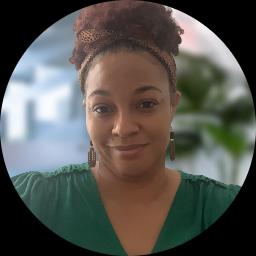
- Compassionate listener
- Skills focused
- Values oriented
About Katasha
Clients can expect straightforward, respectful conversation focused on their goals. Katasha uses a mix of methods to help people notice patterns, manage difficult feelings, and make values-based choices. She works with issues like self-esteem, motivation, isolation, and the emotional impact of aging and money worries.
Many people find it useful when therapy focuses on small, steady changes. Katasha draws on acceptance and commitment ideas and mindfulness to help people respond differently to painful thoughts. She also uses cognitive behavioral and dialectical behavior tools to teach coping strategies and improve emotional regulation.
She pays attention to family of origin concerns, communication struggles, and relationship wounds such as abandonment, infidelity, or codependency. Katasha also offers support around forgiveness, guilt, and finding direction or life purpose. Hospice and end-of-life counseling is listed among her areas of focus when grief and loss are involved.
Her style is warm and practical. Sessions are shaped to fit each person's needs and pace. To begin, clients complete a brief matching questionnaire and then schedule according to the therapist's availability.
Areas of expertise
Additional focus areas
Therapeutic approaches
Experience
11+ years
Credentials
South Carolina
Languages
English
How therapy approaches translate to online care
Acceptance and Commitment Therapy, or ACT, focuses on clarifying what matters to a person and taking small actions toward those values. It helps with anxiety, low mood, and decisions about life changes. Cognitive Behavioral Therapy, or CBT, looks at the links between thoughts, feelings, and behavior and teaches practical strategies to break unhelpful patterns. It is often used for anxiety, depression, and stress. Mindfulness Therapy centers attention training and present-moment awareness to reduce reactivity and increase calm when emotions run high.Finding the right approach is part of therapy. The therapist works collaboratively with each person to decide which methods fit their needs and goals. That choice can change over time, and sessions test what helps in everyday life rather than relying on labels.
Session options are not listed in the biography, so confirm available formats before booking. Online therapy can make it easier to fit sessions into a busy day, reduce travel time, and allow for shorter check-ins when needed. It also lets people continue care when life events make in-person visits difficult. Licensed professionals adapt exercises, worksheets, and mindfulness practices so they work well in a remote session and to help clients build skills they can use between meetings.
Frequently asked questions
What concerns does she help with?
She supports people dealing with stress, anxiety, depression, grief, low self-esteem, and coping with life changes. Her additional focus areas include aging issues, codependency, communication problems, and hospice and end-of-life counseling.
What is her general therapy style?
Her style is warm, respectful, and practical. Sessions focus on clear goals, skill-building, and helping clients make choices that match their values.
How long has she been practicing?
She has 11 years of professional work experience as a licensed social worker in South Carolina.
What credentials and location are listed?
The credential shown is LISW-CP, and the therapist practices in South Carolina.
Which languages are supported?
Sessions are offered in English.
Can people outside the US work with her?
She does not accept international clients at this time.
How is cost handled?
Cost varies with location and therapist availability, and sessions use a subscription that can be canceled at any time.
How do I begin working with this therapist?
Click the Start Therapy button, complete a short matching questionnaire, and then schedule according to the therapist's availability.