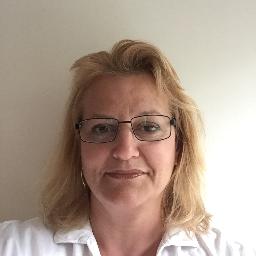
- Warm and down to earth
- Practical goal focus
- Experience with grief
About Kate
Her background in HR gave her lots of experience mediating and coaching individuals and groups. She then trained further in Psychotherapy, Cognitive Behavioural Therapy and Client-Centred Therapy. The credential NCPS appears with her name and is used as supplied.
In sessions she listens first and tailors the work to each person. She uses practical tools where they help, and longer conversations when that suits the issue. People come for help with stress, anxiety, grief, depression, addictions and relationship concerns among other difficulties.
She also supports people facing life changes such as bereavement, caregiving strain, chronic illness, separation and adoption or foster care issues. Work can include exploring attachment and abandonment themes, improving communication, or addressing sleep and self-esteem problems.
Kate combines a non-judgemental stance with empathy and clear direction when needed. Her aim is to help people set realistic steps forward and build coping strategies that fit daily life. Prospective clients should check the session options before booking to confirm what is currently offered.
Areas of expertise
Primary focus
Also works with
Additional focus areas
Therapeutic approaches
Experience
13+ years
Credentials
NCPS · United Kingdom
Languages
English
How Kate’s approaches translate to online work
Client-Centred Therapy focuses on listening and being present with the person. It helps when someone needs acceptance, clarity and space to talk through their feelings and decisions.Cognitive Behavioural Therapy (CBT) uses practical steps to change unhelpful thoughts and behaviours. It often helps with anxiety, low mood, sleep problems and coping with life changes by teaching straightforward skills to use day to day.
Finding the right approach is part of the work. Kate will explore goals, preferences and what feels most useful, and then shape sessions collaboratively. That way the method evolves with the person's needs rather than being fixed from the start.
Online therapy can make it easier to fit sessions into a busy life. It can reduce travel time, allow shorter check-ins around work breaks, or make it simpler to attend when living some distance from a counsellor. The original biography does not list specific session formats, so please confirm the current options before booking. Registered or accredited professionals can use online work to deliver the same conversational and skills-based elements as face-to-face therapy, adapted to each person's circumstances.
Frequently asked questions
What issues does Kate commonly help with?
She works with a wide range of concerns including stress, anxiety, grief, depression, addictions and relationship difficulties, plus areas like chronic illness, caregiving stress and attachment issues.
How would you describe her therapeutic style?
Her style is warm, down to earth and non-judgemental. She listens first, then uses practical tools and longer conversations depending on what each person needs.
What is her professional background?
She began in Human Resources working in mediation, coaching and counselling before training further in psychotherapy and related approaches over a 13-year career.
Which credentials and region are associated with her practice?
Her listed credential is NCPS and she practices in the United Kingdom.
Can I work with her if I live outside the UK?
Sessions are offered to international clients as noted.
What session formats are available?
The original biography does not specify session formats; please confirm the current session options before booking.
How are fees and billing handled?
Cost varies with location and therapist availability, and sessions use a subscription that can be cancelled at any time.
How do I begin working with her?
Use the Start Therapy button, complete the short matching questionnaire, and then schedule according to the therapist's availability.