- Collaborative approach
- Strengths-focused work
- Practical coping skills
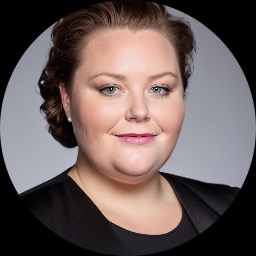
About Laura
Her sessions tend to be collaborative and strengths-focused. She helps clients identify personal resources and build steps they can use between meetings. Conversations are direct but warm, with attention to everyday challenges like self-esteem, eating concerns, bipolar mood shifts, and ADHD-related coping.
Laura also works with people facing intimacy issues and those managing the stress of caregiving, chronic illness, or cancer. She draws on several therapy styles to fit different needs rather than using the same plan for everyone.
In practice she explains what to expect at the first meeting, asks about history and goals, and answers questions about the process. People who prefer straightforward guidance about goals and practical strategies tend to find this approach helpful.
Her background includes experience with adoption and foster care topics, attachment concerns, and work related to boundaries and codependency. She lists Acceptance and Commitment Therapy, Cognitive Behavioral Therapy, and Emotionally-Focused Therapy among the approaches she uses to address emotional patterns and relationship problems.
Areas of expertise
Primary focus
Also works with
Additional focus areas
Therapeutic approaches
Experience
4+ years
Credentials
Oregon
Languages
English
How therapeutic approaches translate to online work
Acceptance and Commitment Therapy (ACT) helps people notice difficult thoughts and feelings without getting stuck in them, then choose actions that match their values. It can help with depression, anxiety, and coping with life changes by focusing on meaningful steps. Cognitive Behavioral Therapy (CBT) looks at how thoughts and behaviors interact and uses practical exercises to shift unhelpful patterns; it is often used for mood, anxiety, and eating-related concerns. Emotionally-Focused Therapy (EFT) focuses on emotions and attachment patterns in relationships and can help people who want clearer connection and communication.Finding the right approach is part of the work. The therapist will talk with each person about goals, preferences, and what has or hasn’t helped before. Together they decide which methods to try and adjust the plan as progress is made.
Session formats are not listed in the original biography, so confirm current options before booking. Online sessions can make it easier to fit therapy into a busy life - they can reduce travel time, allow shorter check-ins when schedules are tight, and let people join from whatever location best supports a focused conversation. Licensed professionals adapt materials and homework for remote sessions so progress can continue between meetings.
Frequently asked questions
What concerns does Laura commonly address?
She works with people facing relationship difficulties, trauma and abuse, intimacy-related issues, self-esteem, depression, eating concerns, bipolar mood issues, coping with life changes, and ADHD.
What is her therapy style like?
Sessions are collaborative and strengths-focused, with attention to practical steps clients can try between meetings.
What experience does she bring?
Laura has four years of experience in mental health work and has supported people with a range of emotional and relationship concerns.
What credential and location information is provided?
She holds the LPC credential, which stands for Licensed Professional Counselor, and she practices in Oregon.
Which languages are sessions offered in?
Sessions are offered in English.
Are international clients accepted?
International clients are not currently accepted.
How do fees and billing work?
Cost varies with location and therapist availability; sessions use a subscription that can be canceled at any time.
How do I begin working with her?
Use the Start Therapy button, complete a short matching questionnaire, and schedule according to therapist availability.