- Hospice and end-of-life counseling
- Mindfulness and ACT
- Client-centered care
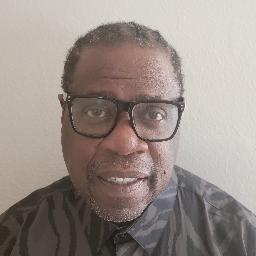
About Learie
He has worked in New York, Florida, and Trinidad and Tobago over a long career. Learie trained at Adelphi University and has 37 years of clinical experience as an LCSW. He meets people where they are and treats each situation as unique rather than using one fixed formula.
In sessions he combines evidence-based approaches with a warm, client-centered style. Learie uses Cognitive Behavioral Therapy to help change unhelpful thoughts and behaviors. He also uses Acceptance and Commitment Therapy and mindfulness practices to help people live with difficult emotions.
People come to him for a wide range of concerns, including trauma, addiction, relationship problems, parenting stress, caregiver burnout, depression, bipolar disorder, and grief. He also addresses issues like abandonment, codependency, communication problems, and aging-related worries.
Learie aims to help clients find workable steps forward. He encourages collaboration on goals and uses straightforward language to make the work manageable. To begin, people are invited to get to know him and discuss what changes they want to make.
Areas of expertise
Primary focus
Also works with
Additional focus areas
Therapeutic approaches
Experience
37+ years
Credentials
Florida
Languages
English
How therapeutic approaches guide online care
Acceptance and Commitment Therapy, or ACT, helps people notice painful thoughts and still move toward what matters to them. It can be useful for grief, anxiety, and coping with big life changes. Cognitive Behavioral Therapy, or CBT, focuses on identifying unhelpful thinking and changing behaviors that keep problems going, which can help with depression, anxiety, and sleep issues. Client-Centered Therapy emphasizes listening and building trust so clients can find their own solutions at their own pace.Choosing an approach is part of the work together. The therapist will talk with each person about their goals and preferences and then try methods that fit those needs. Sessions are collaborative and can be adjusted as progress is made.
The biography does not specify which online session types are offered, so please confirm current session options before booking. Online therapy can make it easier to fit appointments into a busy life, cut down travel time, and allow for shorter check-ins when needed. It also supports continuing care for people managing hospice, end-of-life, or caregiving responsibilities without committing to long travel or extra logistics.
Frequently asked questions
What kinds of concerns does Learie address?
He helps with grief, stress, anxiety, depression, trauma, addictions, relationship and intimacy issues, caregiver strain, and many life changes.
What is his general approach in therapy?
He blends client-centered care with practical methods like Cognitive Behavioral Therapy and Acceptance and Commitment Therapy to create a straightforward plan for change.
How much clinical experience does he bring?
Learie has 37 years of experience working in settings across New York, Florida, and Trinidad and Tobago.
What are his credentials and where is he based?
He is an LCSW, licensed in Florida, and practices from Florida.
Which languages are supported for sessions?
Sessions are offered in English and he accepts international clients.
What session formats are available?
The original biography does not list session formats; please confirm current session options before booking.
How are fees and payment handled?
Cost varies with location and therapist availability; sessions use a subscription that can be canceled at any time.
How do I begin working with him?
Select the Start Therapy button, complete a short matching questionnaire, and schedule according to therapist availability.