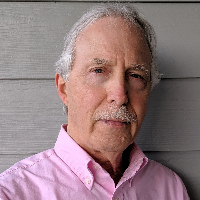
- 30 years experience
- Focus on grief
- Practical skill building
About Leslie
He trained over many years, earning a doctorate in clinical psychology and working in hospitals, jails, nursing homes, psychiatric settings, and private practice. That range shaped a straightforward style that mixes talk, skill-building, and problem solving. He describes his role as teacher, analyst, and facilitator who helps clients reach realistic goals.
In sessions, he draws on client-centered listening and cognitive-behavioral techniques to identify unhelpful thinking and test new habits. He also uses psychodynamic ideas to look at long-standing patterns and solution-focused steps for short-term goals. Mindfulness tools are offered to reduce reactivity and manage strong emotions.
People meet him for grief, caregiver stress, aging concerns, trauma history, addiction, parenting strain, and relationship or intimacy problems. He also works with issues like bipolar disorder, ADHD, eating concerns, and feelings of emptiness or abandonment. His approach aims to combine practical strategies with deeper personal understanding.
He works from Oregon and conducts therapy in English. Dr. Netland values cultural sensitivity and adapts his methods to each person's needs and background. To begin, people typically complete a brief matching questionnaire and schedule sessions according to his availability.
Areas of expertise
Primary focus
Also works with
Additional focus areas
Therapeutic approaches
Experience
30+ years
Credentials
Oregon
Languages
English
How therapy approaches translate to online care
Client-Centered Therapy focuses on listening and supporting each person's goals, helping people feel heard and guiding them to explore choices that matter. Cognitive Behavioral Therapy (CBT) looks at the links between thoughts, feelings, and actions and teaches straightforward skills to change unhelpful patterns and manage symptoms like anxiety or depression. Mindfulness Therapy offers simple attention and breathing practices to reduce reactivity and improve moment-to-moment coping.Finding the right mix of these approaches is part of the work. The therapist will talk with each person about what matters most, try techniques together, and adjust the plan based on progress and preferences. This collaborative process helps match practical skills to deeper personal concerns.
Session formats are not specified in the original biography, so confirm current options before booking. Online sessions can make it easier to fit therapy into a busy day, allow shorter check-ins when helpful, and reduce travel time. They can also let people use mindfulness or homework exercises between meetings, making steady progress possible even when schedules are tight.
Frequently asked questions
What concerns does he commonly address?
He works with stress, anxiety, depression, grief, addictions, relationship and intimacy issues, parenting strain, trauma and abuse, and many related problems.
What is his general therapy style?
His style is practical and collaborative, combining client-centered listening with cognitive-behavioral, psychodynamic, mindfulness, and solution-focused techniques as they fit the client's goals.
How long has he practiced clinically?
He has about 30 years of clinical experience working in hospitals, jails, nursing homes, private psychiatric care, EAP settings, and private practice.
What credentials and region describe his practice?
He is listed as OR Psychologist 3296 and practices in Oregon.
Which languages are supported for sessions?
Sessions are offered in English.
Can he work with international clients?
International clients are not currently accepted.
How is cost structured for sessions?
Cost varies with location and therapist availability; sessions use a subscription that can be canceled at any time.
How do I begin if I want to work together?
Use the Start Therapy button, complete a short matching questionnaire, and schedule based on his availability.