- Grief and loss
- Trauma informed
- Values driven
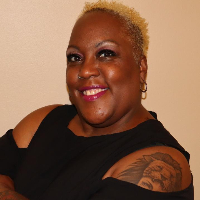
About Lia
She has 15 years of clinical experience across Michigan, Ohio, and Texas and holds the Licensed Master Social Worker credential and the Licensed Independent Social Worker credential. Lia uses straightforward, person-centered care that respects each person's background and identity. Sessions focus on practical steps that can be tried between meetings.
Lia uses mindful practices alongside Acceptance and Commitment Therapy to help people notice difficult thoughts and choose actions that match their values. She also draws on Emotionally-Focused approaches to help people better name and regulate feelings that come up in close relationships. Motivational Interviewing is used when change feels stuck and a nudge toward doable goals is helpful.
Her work often addresses end-of-life concerns and caregiver stress, but she also supports people coping with addiction, intimacy and parenting struggles, body image, and career shifts. She offers a calm space to talk about abandonment, blended family challenges, or the emotional fallout from separation and divorce.
People who choose Lia can expect a collaborative process that focuses on what matters to them now. She asks practical questions, suggests small experiments, and checks in on progress as goals evolve.
Areas of expertise
Primary focus
Also works with
Additional focus areas
Therapeutic approaches
Experience
15+ years
Credentials
Michigan, Texas, Ohio
Languages
English
How her approaches fit with online work
Acceptance and Commitment Therapy (ACT) helps people notice painful thoughts without getting ruled by them and then choose actions that reflect what matters most. It can be useful for grief, anxiety, and making behavior changes that support long-term goals. Client-Centered Therapy focuses on listening, empathy, and following the client’s lead so people feel understood and can explore what they want to change. This approach helps with self-esteem, relationship concerns, and life transitions.Choosing the right approach is a team effort. Lia will discuss which methods match a person’s goals and preferences and adjust plans as things change. That means trying an approach, checking how it feels, and shifting strategies if needed so the work stays aligned with what matters to the client.
Practical benefits of online therapy can include fitting sessions into a busy day, reducing travel time, and keeping momentum between visits. Because session formats are not listed here, confirm current session options before booking to learn how meetings are scheduled and delivered. Online work can make it easier to attend regular check-ins, try short coaching-style conversations when needed, and maintain continuity of care during caregiving or end-of-life circumstances.
Frequently asked questions
What concerns does Lia commonly address?
She works with stress, anxiety, trauma and abuse, grief, depression, addictions, and relationship issues, plus caregiver strain and compassion fatigue.
How would you describe her therapeutic style?
She uses a person-centered, trauma-informed style that is collaborative and practical, focusing on everyday steps people can try between sessions.
What is Lia's clinical background?
She has 15 years of experience supporting people through difficult life moments, including end-of-life concerns and bereavement.
What credentials and region are associated with this therapist?
She holds LMSW and LISW credentials and practices in Michigan, with prior work in Ohio and Texas noted in her background.
In which languages are sessions offered?
Sessions are offered in English.
Can people from other countries work with her?
She is not taking international clients at this time.
How is cost handled for sessions?
Cost varies with location and therapist availability, and sessions use a subscription that can be canceled at any time.
What are the first steps to begin working together?
Use the Start Therapy button, complete a short matching questionnaire, and schedule according to therapist availability.