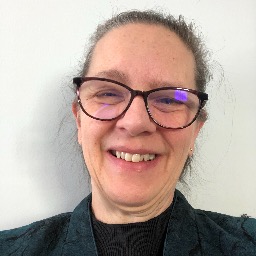
- 20 years experience
- LMHC in Indiana
- Focus on coping
About Linda
Her approach emphasizes clear thinking and practical choices. She uses cognitive behavioral ideas to help people reframe unhelpful thoughts and change behaviors. She also draws on client-centered methods, emotionally-focused work, mindfulness, and motivational interviewing to help people tune into feelings and make purposeful steps forward.
Linda often frames difficult moments as chances to learn new ways of coping. She believes grief, major life transitions, and stress become easier to manage when someone talks them through with a steady listener. Sessions typically include talking, learning tools for handling emotions, and setting small, reachable goals.
Over 20 years she has worked in hospitals, residential treatment, and outpatient settings with people across a wide age range. That experience informs a flexible style - sometimes practical coaching, sometimes deeper emotional processing, depending on what a person needs.
To begin, she asks people to describe what they most want to change and to try simple techniques between sessions. The focus is on workable steps that fit everyday life and help reduce strain over time.
Areas of expertise
Primary focus
Also works with
Additional focus areas
Therapeutic approaches
Experience
20+ years
Credentials
Indiana
Languages
English
How her approaches translate to online work
Client-Centered Therapy focuses on listening and supporting the person's own goals. It helps when someone needs a calm, nonjudgmental listener and wants to set the pace for change. Cognitive Behavioral Therapy (CBT) targets the link between thoughts and actions; it uses simple steps to test new ways of thinking and behaving and can help with anxiety, mood, and addiction-related patterns. Emotionally-Focused Therapy (EFT) helps people notice and name feelings that guide their choices and can be useful when grief or relationship emotions feel overwhelming.Finding the right approach is part of the process. The therapist will work together with each person to decide which methods fit best. That choice depends on goals, immediate needs, and personal preferences, and may change as work moves forward.
The original biography did not list specific session formats, so confirm current online options before booking. In general, online work can make it easier to fit sessions into a busy day, shorten travel time, and allow for focused check-ins between other commitments. It can also let people practice skills in the settings where they live and make small, practical changes that carry into everyday routines.
Frequently asked questions
What concerns does Linda address?
She helps people with stress, anxiety, addiction, grief, mood differences like depression and bipolar, relationship and intimacy issues, parenting strain, and many related areas such as chronic illness and caregiver stress.
What is her general therapy style?
Her style blends practical thinking work with emotional exploration. Sessions often include reframing thoughts, learning coping skills, and setting small behavior goals.
How much experience does she bring?
She has about 20 years of clinical experience working in hospitals, residential treatment, and outpatient settings.
What credentials and location are listed?
She is an LMHC licensed in Indiana and practices from that state.
Are services available in other languages or internationally?
Sessions are offered in English. International clients are not currently accepted.
What session formats are used?
The original biography did not specify session formats. Please confirm current session options before booking.
How does cost and billing work?
Cost varies with location and therapist availability; sessions use a subscription that can be canceled at any time.
What are the first steps to start therapy?
Click the Start Therapy button, complete a short matching questionnaire, and schedule according to the therapist's availability.