- Cognitive behavioral focus
- Mindfulness tools
- Client-centered care
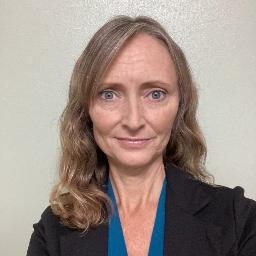
About Maggie
Her style centers on clear thinking and compassionate listening. She uses Cognitive Behavioral Therapy to spot patterns of thought and behavior that keep people stuck. She pairs that with Client-Centered Therapy ideas, giving people space to set goals and move at their own pace.
Maggie brings nine years of clinical experience in Minnesota to her practice. That background includes work with people impacted by criminal justice involvement and caregiving stresses, and she often addresses issues like sleep, eating, and career strain alongside core mental health concerns.
She blends mindfulness practices into sessions when helpful, teaching simple techniques for grounding, breathing, and managing strong emotions. Motivational Interviewing is used to help people find internal reasons to change, especially around substance use and health behaviors.
Maggie also uses Narrative Therapy tools to help people reframe their stories and notice strengths that have been overlooked. Her approach is practical, down-to-earth, and focused on helping people build manageable habits that support daily life.
Areas of expertise
Primary focus
Also works with
Additional focus areas
Therapeutic approaches
Experience
9+ years
Credentials
Minnesota
Languages
English
How Maggie Uses CBT and Mindfulness Online
Client-Centered Therapy starts by putting the person's goals front and center. The therapist listens without judgment and helps the person shape realistic steps toward those goals. This approach is useful when someone needs a steady, empathetic space to sort priorities and make choices.Cognitive Behavioral Therapy focuses on the links between thoughts, feelings, and actions. It includes homework like thought records or small behavior experiments to test beliefs and create change. CBT can help with anxiety, depression, sleep problems, and patterns that feed distress.
Mindfulness Therapy adds simple attention and breathing exercises to reduce reactivity and improve moment-to-moment awareness. These techniques are often paired with CBT to calm the body and make cognitive work easier.
Finding the right mix of methods is a team effort. The therapist will work together with the person to try approaches, notice what helps, and adjust goals and techniques. That collaborative process guides how sessions evolve over time.
Session logistics should be confirmed before booking, since formats are not specified in the biography. Online therapy can make it easier to fit work on emotions and habits into a busy schedule, avoid travel time, and use shorter check-ins when needed. Talk with the therapist about timing and structure so sessions match real-life needs and goals.
Frequently asked questions
What concerns does Maggie address in sessions?
She works with stress, anxiety, depression, bipolar mood issues, grief, trauma, substance use, anger, relationship and family problems, sleep and eating concerns, and caregiving strain.
How would she describe her therapeutic style?
Her style is practical and collaborative, combining clear thought work with empathic listening and simple mindfulness exercises to manage strong emotions.
What kind of experience does she have?
She has nine years of clinical experience working in Minnesota, including work with people affected by criminal justice involvement and long-term caregiving stress.
What credentials and location are listed?
She is an LPCC - Licensed Professional Clinical Counselor - practicing in Minnesota.
Which languages are supported and are international clients accepted?
Sessions are offered in English and international clients are not currently accepted.
What session formats are available?
The original profile does not specify session formats; please confirm current session options before booking to know whether in-person or online meetings are offered.
How are fees handled?
Cost varies with location and therapist availability; sessions use a subscription that can be canceled at any time.
How do I begin working with Maggie?
Click the Start Therapy button, complete the short matching questionnaire, and schedule according to the therapist's availability.