- Solution-focused
- Evening and weekend
- Grief and end-of-life
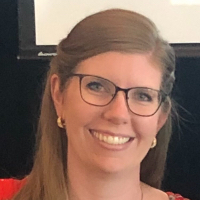
About Margaret
Margaret uses approaches that emphasize the client's goals and strengths. She often starts with brief, solution-focused conversations to identify what will make the most immediate difference. From there she blends other methods to address patterns, thoughts, and behaviors that get in the way of daily functioning.
She has 11 years of experience working with a wide range of concerns, including compassion fatigue, addictions, relationship and family issues, and caregiving stress. Her background includes supporting people facing medical challenges such as cancer and aging-related concerns, and helping those affected by trauma and major life transitions.
Margaret trained at the University of California Santa Barbara for her bachelor's degree and earned a Master of Social Work from California State University Los Angeles. As an LCSW she brings clinical social work experience to sessions while keeping conversations straightforward and focused on real-world changes.
She commonly works with people coping with grief and end-of-life issues, and she offers evening and weekend appointments to help therapy fit into work and life schedules. To start, she encourages prospective clients to think about one or two concrete goals they want to address in sessions.
Areas of expertise
Also works with
Additional focus areas
Therapeutic approaches
Experience
11+ years
Credentials
California
Languages
English
How Margaret's approaches fit online
Client-Centered Therapy focuses on listening and following the client's lead, helping people feel heard and understood while they decide on goals. It is useful for grief, relationship strain, and the emotional work that accompanies life changes.Cognitive Behavioral Therapy, or CBT, looks at thoughts and behaviors to uncover patterns that increase anxiety or depression, then tries small experiments and practical tools to shift those patterns. It is often used for anxiety, depression, stress, and coping with difficult life events.
Finding the right approach tends to be a team effort. Margaret works collaboratively to match methods to a person's needs, goals, and preferences and adjusts the plan over time based on what helps most.
Many people find online therapy easier to fit into their routine because it can reduce travel time and allow sessions during evenings or weekends. The biography does not list specific session formats, so confirm the current session options before booking. Online work can make scheduling simpler and let people bring real-life problems from day-to-day settings into conversation, while allowing the therapist to use practical exercises and brief skill-building between meetings.
Frequently asked questions
What kinds of concerns can be addressed in sessions?
Sessions cover stress, anxiety, grief, depression, relationship and family concerns, compassion fatigue, addictions, caregiver stress, career issues, and other life changes.
What is Margaret's style in therapy?
She favors a solution-focused style to set concrete goals and create quick, practical steps, while also bringing in client-centered and mindfulness techniques as needed.
How much experience does she have?
She has 11 years of clinical experience working with people facing medical concerns, trauma, major life transitions, and ongoing mental health needs.
What credentials and region does she work from?
She is a Licensed Clinical Social Worker (LCSW) practicing in California.
Which languages are used in sessions?
Sessions are offered in English.
Can I work with her from another country?
International clients are not currently accepted; she works with clients within California.
How are fees and payment handled?
Cost varies with location and therapist availability; sessions use a subscription that can be canceled at any time.
How do I begin if I want to work together?
Click the Start Therapy button, complete a short matching questionnaire, and then schedule sessions according to the therapist's availability.