- Grief and end-of-life
- Anxiety and depression
- Relationship concerns
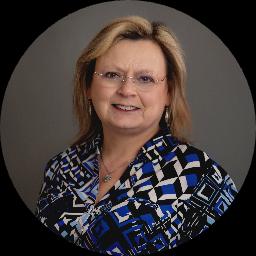
About Maria
Her style is collaborative and steady. She talks with clients about what matters to them and works at a pace they can manage. Sessions are nonjudgmental and built around each person’s goals, whether that means reducing anxiety, coping with loss, or finding clearer ways to relate to others.
Maria combines brief teaching with hands-on work. She helps people understand why they feel stuck and then tries out skills that can change everyday behavior. That might include learning new ways to handle difficult thoughts, building stronger emotional connections, or practicing attention and grounding exercises.
She also pays attention to attachment patterns and relationship dynamics. That means looking at how early bonds and current relationships shape how someone handles stress, intimacy, and codependency. The work aims to increase self-understanding and improve daily functioning.
People coming for hospice and end-of-life counseling can expect calm, practical support around grief, decision stress, and caregiving strain. Maria encourages agency and acceptance while helping clients make choices that feel aligned with their values.
Areas of expertise
Primary focus
Also works with
Additional focus areas
Therapeutic approaches
Experience
12+ years
Credentials
Illinois
Languages
English
Therapeutic methods that translate online
Acceptance and Commitment Therapy (ACT) focuses on identifying personal values and taking small, meaningful actions toward them. It helps when worry, avoidance, or low mood get in the way of living the life someone values. Cognitive Behavioral Therapy (CBT) teaches concrete skills for changing unhelpful thinking and behavior patterns. It is useful for anxiety, depression, and coping with stressful situations.Choosing the right approach is a collaborative process. The therapist will talk with each person about goals, preferences, and outcomes and then try methods that fit. Over a few sessions they will adjust the plan based on what helps most.
The biography does not list which online session types are offered, so confirm current options before booking. Online therapy can make it easier to fit sessions into a busy life, since appointments may be scheduled during work breaks or from different locations. Some formats work better for shorter check-ins, and others support longer, more in-depth sessions. Maria uses evidence-based methods to guide the work, with an emphasis on practical tools for day-to-day coping and grief or end-of-life concerns.
Frequently asked questions
What concerns does Maria commonly address?
She helps adults with stress, anxiety, depression, grief, trauma, relationship and intimacy concerns, LGBT issues, self esteem, and coping with life changes, among other focuses.
How would you describe her therapeutic style?
Her approach is integrative, collaborative, and patient. She combines education, practical skill work, and reflective conversation to match each client’s goals.
What kind of experience does she bring?
She has 12 years of clinical experience working with adults on grief, trauma, aging, and LGBTQ+ related concerns.
What credentials and location are listed?
She is an LCSW - licensed clinical social worker - practicing in Illinois.
Which languages are supported and can international clients connect?
Sessions are offered in English, and she accepts international clients.
What session formats are available?
The original biography does not specify session formats. Please confirm current session options before booking.
How are fees handled?
Cost varies with location and therapist availability; sessions use a subscription that can be canceled at any time.
What is the first step to begin working together?
Select the Start Therapy button, complete a short matching questionnaire, and schedule according to therapist availability.