- Addiction support
- Grief and loss
- Anxiety and stress
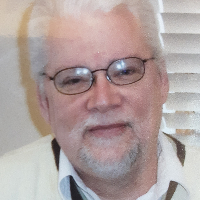
About Mark
He uses clear, down-to-earth conversation to help clients name problems and try workable steps. Sessions typically focus on coping skills, managing cravings or panic, and finding ways to live with loss. The goal is honest, manageable progress rather than quick fixes.
Across 45 years in mental health and substance use work, he has helped people who face co-occurring issues like depression and trauma alongside addiction. That background informs how he mixes approaches to fit each situation. He also brings long experience supporting people through bereavement and end-of-life concerns.
Mark combines person-centered listening with goal-focused tools. He may draw on cognitive behavioral techniques to shift unhelpful thoughts, dialectical behavior strategies for emotion regulation, and trauma-focused methods when past events are affecting today. He also uses solution-focused ideas to build achievable next steps.
Sessions are offered in English and he works with people across different settings. Before scheduling, clients should confirm the current session options and logistics to make sure they match their needs.
Areas of expertise
Primary focus
Also works with
Additional focus areas
Therapeutic approaches
Experience
45+ years
Credentials
Michigan
Languages
English
How his approaches translate to online therapy
Client-centered therapy focuses on empathetic listening and respecting each person's perspective. It helps when someone needs a steady, understanding presence while they talk through hard topics like grief or addiction. Cognitive behavioral therapy, or CBT, teaches ways to notice and change unhelpful thought patterns and behaviors, which can reduce anxiety, panic attacks, and depressive symptoms. Dialectical behavior therapy, DBT, offers concrete skills for managing intense emotions and improving tolerance for distress, which can be useful when cravings, anger, or strong shame feelings come up.Choosing the right mix of approaches is part of the work together. The therapist will collaborate with each client to decide which methods fit their goals and circumstances, and will adjust the plan as needs change.
The biography does not list specific remote formats, so confirm current session options before booking. In general, online therapy can make it easier to fit sessions into a busy life, reduce travel time, and allow short check-ins when needed. It can also let people connect from different locations, which is helpful for those living outside the therapist's immediate area.
Frequently asked questions
What kinds of problems does this counselor address?
He helps with stress, anxiety, addictions, trauma and abuse, grief, depression, relationship and intimacy concerns, anger, self-esteem, career questions, and coping with life changes.
What is his therapy style like?
He uses a direct, practical style that combines listening with clear tools. Sessions focus on next steps, coping skills, and problem-solving tailored to each person.
How long has he worked in this field?
He brings 45 years of experience in mental health and substance use treatment, including work supporting people through loss and addiction.
What credential and region are associated with this therapist?
Mark holds an LPC credential and practices in Michigan.
Which languages are offered for sessions?
Sessions are offered in English and he also accepts international clients.
What session formats are available?
The biography does not specify session formats; please confirm current session options before booking.
How does payment and cost work?
Cost varies with location and therapist availability; sessions use a subscription that can be canceled at any time.
How do I begin working with him?
Use the Start Therapy button, complete a short matching questionnaire, and schedule according to therapist availability.