- End of life experience
- Practical coping tools
- Calm, listening presence
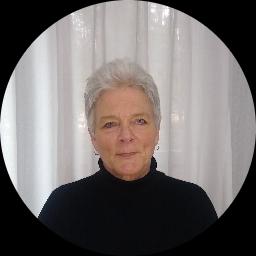
About Mary
She meets people who are dealing with grief, stress, anxiety, depression, addiction concerns, relationship endings, and the challenges of aging. She also helps those facing cancer, caregiver strain, midlife shifts, and questions about self-worth and intimacy. Her work attends to both the immediate pain and the steps needed to move forward.
In sessions Mary uses a blend of Client-Centered work, Solution-Focused techniques, Cognitive Behavioral Therapy (CBT), and Mindfulness. She listens closely, reflects what she hears, and helps people try small, realistic changes that reduce distress. She brings experience and calm presence to conversations about very hard topics.
Her style is straightforward and compassionate. She emphasizes practical tools alongside emotional processing, and she supports people as they adapt and create new routines after loss or transition. Mary trained at the University of Wisconsin-Milwaukee and holds a Wisconsin Licensed Clinical Social Worker credential (LCSW).
People who choose her often want steady guidance from someone familiar with end-of-life issues and the ripple effects of loss. If her approach feels like a fit, the next step is to use the Start Therapy flow to match and schedule a session.
Areas of expertise
Primary focus
Also works with
Additional focus areas
Therapeutic approaches
Experience
27+ years
Credentials
Wisconsin
Languages
English
Approaches that guide online support and coping
Client-Centered Therapy focuses on listening and understanding the person's experience. The therapist offers empathy and reflection so people can feel heard and decide what matters most to them. Cognitive Behavioral Therapy, or CBT, looks at unhelpful thoughts and patterns and teaches practical skills to change behavior and lower anxiety or depression. Mindfulness Therapy emphasizes present-moment awareness and simple practices to reduce stress and manage strong emotions.Choosing the right approach is part of the work together. The therapist will help you pick and adapt techniques based on your needs, goals, and what feels comfortable. That choice is collaborative and can change over time as progress is made or new issues arise.
Confirm current session options before booking to learn which formats are available. Online therapy can make it easier to fit sessions into a busy week, shorten travel time, and allow for quicker check-ins when needed. It also lets people use mindfulness exercises, homework tools, and CBT techniques between meetings, which often helps change stick. Licensed professionals will aim to make sessions practical and focused on everyday improvements without promising specific outcomes.
Frequently asked questions
What kinds of concerns does Mary help with?
She works with grief, stress, anxiety, depression, and relationship endings, plus challenges like aging, cancer, caregiver strain, addictions, and self-esteem issues.
How would you describe her therapeutic style?
Her style is empathetic and straightforward. She combines attentive listening with practical steps people can try between sessions.
What experience does she bring to counseling?
Mary brings 27 years of experience, including 28 years working with patients and families at the end of life before recent retirement.
What are her credentials and location?
She is a Wisconsin Licensed Clinical Social Worker, LCSW, and is based in Wisconsin.
Which languages are supported for sessions?
Sessions are offered in English.
Can international clients work with Mary?
She does not accept international clients at this time.
How is cost handled for sessions?
Costs vary with location and therapist availability; sessions use a subscription model that can be canceled at any time.
What should I do to begin working with her?
Use the Start Therapy button, fill out a short matching questionnaire, and schedule according to the therapist's availability.