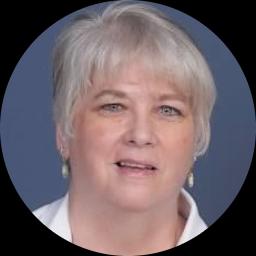
- Focus on relationships
- Supports grief work
- Practical coping skills
About Mary
She holds a master’s degree in Community Psychology and Rehabilitation Counseling from Saint Cloud State University and a bachelor’s degree in Vocational Rehabilitation from the University of Wisconsin–Stout. Her training includes a certificate in Autism and experience supporting people who communicate through sign language and basic Spanish. Mary also identifies as someone who has lived with cerebral palsy, and she uses that perspective to think creatively about real-world barriers.
Early in her career she helped adults with cognitive, mental, physical, or communication challenges find and keep work. She supported placements, offered on-the-job training, and worked directly with employers to improve communication and fit. That hands-on work informs her practical approach to problem solving in therapy.
After graduate school she provided in-home therapy for children aged 7 to 18 and their families, then spent two years as a mental health therapist in an office setting working with both adults and children. Her clinical work has included addressing anxiety, depression, ADHD, autism, behavioral and emotional regulation, and relationship skills.
Mary uses a mix of well-known approaches to meet each person where they are. In sessions she may focus on improving communication, building coping skills, managing grief, and addressing life transitions, including hospice and end-of-life concerns when relevant.
Areas of expertise
Primary focus
Also works with
Additional focus areas
Therapeutic approaches
Experience
7+ years
Credentials
Minnesota
Languages
English
Using therapy methods online and finding the right fit
Client-Centered Therapy emphasizes listening and building on what matters to the client, letting the person guide the pace and goals of work. This approach helps when people need a space to talk through relationship issues, grief, or life changes. Cognitive Behavioral Therapy (CBT) focuses on identifying unhelpful thoughts and testing new behaviors. CBT is useful for anxiety, depression, sleep issues, and managing everyday stressors. Dialectical Behavior Therapy (DBT) provides concrete skills for emotion regulation and tolerance of distress, which can help with anger, intense emotions, and improving communication.Choosing the best approach is a collaborative process. The therapist will work with each person to decide which methods fit their needs, goals, and preferences. Sessions often mix techniques so the plan matches real-life problems and changes over time.
Confirm current session options before booking because formats are not specified in the biography. In general, online therapy can make it easier to fit sessions into a busy week, reduce travel time, and allow shorter check-ins when a full in-person visit isn’t possible. It can also let people focus on skills practice or behavioral experiments between meetings. Discussing logistics with the therapist helps tailor session length and frequency to daily life.
Frequently asked questions
What kinds of concerns does this therapist address?
Mary works with a wide range of issues including relationship and family concerns, trauma and abuse, grief, depression, anxiety, addictions, and stress. She also focuses on areas such as parenting, sleep problems, self-esteem, career questions, ADHD, and hospice and end-of-life counseling.
What is her general approach in sessions?
She uses client-centered methods alongside cognitive behavioral therapy and dialectical behavior therapy tools, among other approaches. Sessions tend to emphasize clear, practical strategies and improving communication and coping skills.
What experience does she bring to this work?
Mary has seven years of experience that include in-home therapy for children, office-based mental health work with adults and children, and vocational support for adults with cognitive or communication challenges. She has worked with people from diverse backgrounds and with varied communication needs.
What credentials and location are listed for this therapist?
She holds a master’s degree in Community Psychology and Rehabilitation Counseling and is a Licensed Professional Counselor (LPC) in Minnesota. Her educational background includes a certificate in Autism.
Which languages are supported in sessions?
Sessions are offered in English, and Mary has experience working with basic conversational Spanish and sign language supports when needed.
Can people outside the country work with her?
She does not accept international clients at this time.
How are costs and billing handled?
Costs vary with location and therapist availability; sessions use a subscription that can be canceled at any time. Exact fees depend on the program and scheduling arrangements.
What is the easiest way to begin working together?
Start by selecting the Start Therapy button, complete the short matching questionnaire, and schedule according to the therapist's availability.